Live a richer life. Independent financial guidance for smarter decisions.

Advertiser Disclosure

Search results for: “index fund”

  • Bill O’Reilly Net Worth: Spoiler He’s Really Rich!

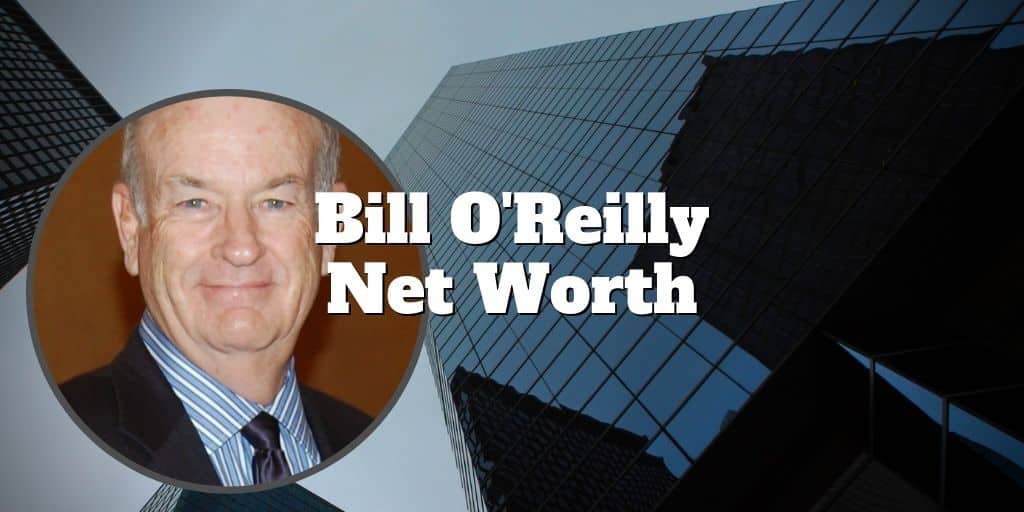
    Bill O’Reilly Net Worth: Spoiler He’s Really Rich!

    bill oreilly net worth

    Bill O’Reilly is and has been a journalist, columnist, weatherman, news anchor, news correspondent, author, and television host.

    He is best known for “The O’Reilly Factor,” a television program that shattered cable news ratings records.

    He used that platform not only to sell books but also to create a TV personality that is a household name.

    Love him or hate him, O’Reilly has always delivered a unique voice that people find compelling.

    From all his roles throughout his years as a political commentator, he has clearly built enormous wealth, but can Bill O’Reilly’s net worth really be $85 million?

    Before Bill O’Reilly Was Famous

    Bill O’Reilly, Jr. was born in Manhattan on September 10, 1949, to William James, Sr. and Winifred Angela.

    In 1951, the family moved to Long Island, where Winifred and William had their second child, Janet.

    As a high school student, O’Reilly was the varsity hockey goalie, and he was familiar with legendary musician Billy Joel whom O’Reilly referred to as being a hoodlum at the time.

    O’Reilly began attending Marist College in 1967 where he was a football punter at the club level and also a reporter for the school newspaper.

    He majored in history, earned academic honors, and studied abroad for a year in London. He even played semi-pro baseball for the New York Monarchs for a while.

    O’Reilly became an English teacher in Miami for a time. In 1973, he began attending Boston University and eventually he earned a master’s degree in broadcast journalism.

    During this period, he worked for various newspapers and was even a classmate of Howard Stern.

    Later, as the “Inside Edition” host, he earned a master’s degree in public administration from Harvard University.

    How Bill O’Reilly Became Famous

    Bill O’Reilly’s career began as a reporter and even a weatherman before he eventually switched to an anchor for WNEP-TV in Scranton, Pennsylvania.

    O’Reilly later took an anchor position at WFAA-TV in Dallas, Texas, where he was recognized for excellence in investigative reporting by the Dallas Press Club.

    Then, he moved to KMGH-TV in Denver, Colorado, where he earned an Emmy Award for his coverage of a local aircraft hijacking.

    O’Reilly has been a “7:30 Magazine” anchor for WCBS-TV in New York, where he won his second Emmy.

    He has been a CBS News correspondent and has covered wars in El Salvador and in the Falkland Islands.

    In 1986, he joined ABC News as a general assignment reporter appearing on many different broadcasts.

    >> How Mike Tyson Lost $700 Million

    Bill O’Reilly Inside Edition

    O’Reilly’s first big break came when he joined “Inside Edition,” which is now more of a tabloid-gossip TV program hosted by Deborah Norville than the show it was created to be.

    The original host, David Frost, was fired just three weeks after the debut of this news-oriented program due to poor ratings, and Bill O’Reilly was hired as Frost’s replacement.

    O’Reilly’s most notable moment as the “Inside Edition” host was being among the first American broadcasters to cover the tearing down of the Berlin Wall.

    His show’s team was also among the first on the scene during the Los Angeles riots of 1992.

    In addition, O’Reilly secured an exclusive interview with infamous murderer Joel Steinberg, and that piece garnered a lot of attention and very high ratings.

    His most viral moment as the “Inside Edition” host would come years later. In 2008, a video from the 1990s “Inside Edition” set was posted to YouTube.

    The video was originally labeled “Bill O’Reilly Flips Out,” and it shows him cursing at co-workers as the team struggles to pre-record some closing lines for the show.

    Bill O’Reilly: “The O’Reilly Factor”

    Perhaps no aspect of O’Reilly’s career has contributed more directly and indirectly to his net worth than this show.

    Roger Ailes hired O’Reilly in 1996 to host “The O’Reilly Factor,” which was originally named “The O’Reilly Report.” The show ran on Fox News for more than 20 years with Bill O’Reilly as the host.

    When O’Reilly was abruptly forced out of his position with the show, his contract had paid him $37 million over the previous year, and he was paid $25 million by the cable news giant as he walked out the door.

    The O’Reilly Factor” took an approach to politics that was polarizing from the start. However, it was also compelling, and it attracted an audience that continued to grow and post ratings that topped cable news.

    There are many moments that made the show iconic, loved, and hated. For example, post-9/11, O’Reilly condemned the American Red Cross for perceived failures, which gained ever-greater coverage when actor George Clooney accused him of being irresponsible.

    In 2002, O’Reilly’s coverage motivated Pepsi to drop hip-hop artist Ludacris from ads over accusations that Ludacris glamorized drugs, guns, misogyny, and violence.

    The show played an important role in coverage during the search for weapons of mass destruction in Iraq and throughout the hunt for Osama bin Laden in Afghanistan and Pakistan.

    O’Reilly also used the show as a platform for controversial topics, such as the “War on Christmas” and secular progressives.

    >> Wow, Denzel Washington’s Net Worth Is HUGE!

    Bill O’Reilly Books

    Bill O’Reilly has been a prolific writer throughout his career, including as a syndicated news columnist featured in newspapers that include the New York Post and Chicago Sun-Times. He has also written and co-written at least 15 books, some of which have contributed greatly to his net worth.

    What many people may not realize is that O’Reilly’s first foray into writing a book was a fictional novel published in 1998 titled “Those Who Trespass: A Novel of Murder and Television.”

    However, it has been his real-word, politically charged books that have earned him the most notoriety and great financial success.

    “The O’Reilly Factor” (2000)

    The O’Reilly Factor: The Good, Bad, and Completely Ridiculous in American Life” is the book that put O’Reilly on the map as a political author.

    This is a diverse book that travels from one topic to the next as the author explores what he feels is absurd about American culture, politics, and socioeconomic dynamics.

    “Who’s Looking Out for You?” (2003)

    Who’s Looking Out for You?” is a book that Publisher’s Weekly called an “inspirational guide to life’s most basic quandaries.”

    In this text, O’Reilly takes on the people and groups that don’t, and perhaps can’t, look out for you.

    This includes the government, the elite media, the church, ideologues, and more.

    “Culture Warrior” (2006)

    Culture Warrior” is among the best-selling, most influential, and most polarizing books by O’Reilly. It was first released during what was arguably the height of his popularity.

    This is O’Reilly at his brashest, arguing that a fierce culture war is underway.

    He defines that war as secular progressives versus traditionalists, and the author explores in great detail what this means for those who favor traditional values.

    “A Bold Fresh Piece of Humanity” (2008)

    A Bold Fresh Piece of Humanity” is a memoir by Bill O’Reilly that goes as far back as 1957 when he was a third grader at St. Brigid’s parochial school.

    The book is about exploring the people and places that made O’Reilly who he is, and critics have applauded the self-deprecation and humor found within its pages.

    “Pinheads and Patriots” (2010)

    Pinheads and Patriots: Where You Stand in the Age of Obama” continues where O’Reilly left off with his high-profile interview of Barack Obama in 2008. It was released at about the halfway point of Obama’s first presidential term, and it analyzes Obama’s first 18 months in office.

    It explores how the author perceives his American core values being disrupted by a shift within and toward the left.

    The Killing Series (2011-2018)

    In 2011, Bill O’Reilly collaborated with American author and historian Martin Duggard to pen a nonfiction book titled “Killing Lincoln.”

    Spurred by the O’Reilly name and by “The O’Reilly Factor” platform, the book was so successful that it gave rise to a series that now has eight volumes at the time of this writing:

    • Killing Lincoln: The Shocking Assassination that Changed America Forever
    • Killing Kennedy: The End of Camelot
    • Killing Jesus: A History
    • Killing Patton: The Strange Death of World War II’s Most Audacious General
    • Killing Reagan: A Violent Assault That Changed a Presidency
    • Killing the Rising Sun: How America Vanquished World War II Japan
    • Killing England: The Brutal Struggle for American Independence
    • Killing the SS: The Hunt for the Worst War Criminals in History

    Killing Lincoln” (2011) and “Killing Kennedy” (2012) are particularly notable. While both earned criticism from authoritative historians, the books were hugely popular and became part of the cultural lexicon.

    Killing Kennedy” inspired a National Geographic docudrama and eventually a TV film starring Rob Lowe.

    “Old School” (2017)

    Old School: Life in the Sane Lane” explores American values from an old-school versus new-school perspective.

    Co-written with Bruce Feirstein, the authors argue that social justice and so-called “snowflakes” are wrongly trying to convince you that the traditional way of life is an oppressive one.

    Bill O’Reilly
    Sexual Harassment Claims

    Bill O’Reilly has been accused of inappropriate sexual behavior in the workplace on multiple occasions, which at times included threatening the alleged victim’s career.

    The first major incident was in 2004 and involved Andrea Mackris, who eventually reached a settlement and dropped the charges. The details of the agreement are not known, but in 2017, the New York Times reported the settlement was $9 million.

    In the wake of Roger Ailes being fired in 2016 due to a sexual harassment lawsuit, Juliet Huddy – a former Fox host – accused O’Reilly of harassment.

    Fox News settled this case by covering her legal fees and by paying her $1.6 million. Later in 2016, a lawsuit against O’Reilly was filed by Andrea Tantaros.

    In 2017, The New York Times reported that Fox News had settled five different sexual harassment lawsuits against O’Reilly, which presumably included the Tantaros case.

    At this point, more than 60 companies withdrew advertising for “The O’Reilly Factor,” which was more than half the program’s advertisers.

    On April 19, 2017, Fox News released a statement that O’Reilly would not be returning, and the network re-branded and re-hosted the show.

    Bill O’Reilly Wife and Kids

    bill oreilly and maureen mcphilmyBill O’Reilly has been married once. He married Maureen McPhilmy in 1996, and they divorced in 2011.

    The couple had two children while married. A daughter named Madeline was born in 1998, and a son named Spencer arrived in 2003.

    In 2015, Madeline’s court testimony indicated abuse of Maureen by Bill, which O’Reilly denied.

    In 2016, Bill O’Reilly lost his bid for custody of both his daughter and his son.

    How To Build A
    Bill O’Reilly Net Worth

    The path to fame for Bill O’Reilly was long and arduous. He earned his stripes working roles as diverse as weatherman, investigative journalist, correspondent and anchor, not to mention his numerous college degrees.

    It’s no mean feat getting to the top of cable news as the top-ratings anchor but the good news is you don’t have to be a superstar reporter to build your own handsome net worth, even if it doesn’t rival Bill’s!

    The most widely accepted strategy for building net worth over time as advocated by some of the richest billionaires in the world is to invest each month in a low-cost index fund, like the S&P 500 or Dow Jones Industrial Average.

    All it takes is to open a brokerage account at a top tier broker like thinkorswim, place a limit order to buy shares, and repeat each month.

    Never invest more than you can lose and don’t invest if you can’t afford to pay other costs, like food, housing and healthcare.

    If you can squirrel away a few nuts for a rainy day, this time-tested approach is hard to beat over the long-term.

    THINKORSWIM® SPOTLIGHT

    thinkorswim®

    InvestorMint Rating

    5 out of 5 stars

    • Commissions: $0 per trade
    • Account Minimum: $0
    • Promotion: Trade free for 60 days, based on $3,000 deposit

    via thinkorswim secure site

    >> Unreal: Rachael Ray Net Worth $88 Million?

    >> John Krasinki Is REALLY RICH

    >> Is Bill Gates’s Daughter A Billionaire?

  • Option Trading Tips [#7 Could Save Your Bacon!]

    Option Trading Tips [#7 Could Save Your Bacon!]

    choose the best option

    InvestorMint provides personal finance tools and insights to better inform your financial decisions. Our research is comprehensive, independent and well researched so you can have greater confidence in your financial choices.

    If you are looking for ways to make money in the stock market, options can help you not only increase your income but also limit your risk.

    Unlike passive investors in the stock market who rely on stock market gains and dividends to make money, options traders have many more ways to make money.

    Options can generate cash flow similar to dividends. And options can protect investments much like insurance policies do.

    Here are 5 options tips to help you with your goal to make money trading.

    Option Trading Tips #1: Make Money Trading Covered Calls

    If you already own a portfolio of stocks, you probably make money in two ways: when stocks rise, and when companies issue dividends.

    But did you know that you can proactively generate income on your terms? You don’t have to rely solely on the company issuing dividends to earn income from your shareholding.

    The covered call strategy is among the most powerful options trading strategies because it lets you sell options against your stock position.

    When you sell calls against your stock, you receive money into your brokerage account.

    It’s not free money though. It comes with an obligation, which is to sell your stock if it rises above a certain price.

    For example, in the options chain below a shareholder who decides to sell a strike 126 call option would receive $1.86 per share or $186 per contract.

    Strike Bid Ask Volume Open Interest Implied Volatility
    122 3.90 4.00 75 618 115%
    123 3.25 3.40 2,512 3,714 98%
    124 2.76 2.80 912 2,429 65%
    125 2.27 2.32 4,132 22,342 72%
    126 1.86 1.92 612 4,241 111%

    Generally, one contract corresponds to 100 shares so if you owned 1,000 shares you could pocket $1,860 (less commissions costs and fees) by agreeing to sell 10 call contracts at strike 126 for a bid price of $1.86.

    What’s the catch? If the stock goes above $126 by expiration, you have to sell it at $126 per share.

    You still get to keep your $1,860 – nobody can take that away from you if you hold the call option through expiration, at which point it will be assigned and your stock sold.

    So if you don’t think the stock will rise above $126 by the option’s expiration date, then selling calls against your shareholding makes economic sense.

    What makes options trading attractive compared to dividend paying stocks is you get to control when you generate income. You don’t have to wait for a quarterly dividend payment, you can sell call options weekly.

    >> Related: Learn Options Trading Basics

    Option Trading Tips #2: Make Money Trading Weekly Options

    How nice would it be to click a few buttons and money gets deposited into your account when you want it?

    Now you know covered calls allow you to do that but how often can you do it?

    For a few decades after options were introduced you were limited to generating cash flow from selling call options no faster than monthly.

    But greater demand from options traders has resulted in greater choices, and these days you can trade options as frequently as weekly if you wish.

    So, if you own shares in a company like Facebook or Twitter and want to pocket some additional income this week, you can.

    The amount you can make on any given week tends not to be large when compared to the share price of the company, but the value of trading weekly options is not only what you can pocket on any given week but more so the compounded sum total of the income you can earn from selling calls each and every week.

    >> Caution: When trading weekly options, beware of upcoming news announcements for the company. If a company is due to report quarterly earnings, volatility may be higher than normal causing options prices to be temporarily higher than usual. If traders react negatively to earnings and the share price falls, the premiums you receive from selling calls may not offset the losses in share price.

    Option Trading Tips #3: Pick A Good Options Trading Platform

    When you trade options to earn extra money, you will want to use an options trading platform that has a good understanding of options trading strategies to make sure your order execution is seamless and any hiccups or queries are resolved quickly.

    Good options trading platforms offer fast and accurate order execution, knowledgeable staff who understand how to guide you when executing orders, competitive commissions and fees, tools and screeners to help you select trades, and mobile access when you are on the go.

    The leading options trading platform for many years has been thinkorswim and these days it is rivaled closely by TastyWorks.

    Both platforms were built by similar teams so you can expect a top notch experience from each of them.

    tastytrade SPOTLIGHT
    tastytrade (previously known as tastyworks)

    Investormint Rating

    4.5 out of 5 stars

    • Commissions: Closing trades for Stocks & ETFs and Options are commission-free
    • Account Balance Minimum: $0
    • Commissions: $0 flat rate for stocks

    via tastytrade secure site

    The nice thing about TastyWorks is no commissions costs are charged when closing trades.

    While at thinkorswim, the tools and screeners are virtually unparalleled and will please the most avid options trader.

    THINKORSWIM® SPOTLIGHT

    thinkorswim®

    InvestorMint Rating

    5 out of 5 stars

    • Commissions: $0 per trade
    • Account Minimum: $0
    • Promotion: Trade free for 60 days, based on $3,000 deposit

    via thinkorswim secure site

    >> Related: What Are The Best Online Options Trading Brokers?

    Option Trading Tips #4: Lower Your Risk

    Emotions play a big part in trading the stock market. It is difficult to remain rational when everyone else seems to be panicking and selling or fearlessly buying.

    When you own a portfolio of stocks, it can be easier to panic and sell at the wrong time than when your risk is limited.

    After all, when you own a stock, the most you can lose is the entire amount you paid for it if the stock were to fall all the way to zero.

    In practice, the likelihood of that happening is really low. It is rare for companies to go bankrupt and share prices to get entirely wiped out.

    But tell that to your inner self when fear takes over and, if you are like most people, you will find it is not so easy to stay calm.

    So how do you hold on to the shares of good companies when fear is gripping the markets and still keep your risk contained to a fixed amount?

    The answer comes in the form of the married put options trading strategy, which involves buying put options against shares you own.

    MARRIED PUTS → STOCK MARKET INSURANCE

    Married puts are about as close as you can get in the stock market to buying insurance.

    Just like you might pay an insurance premium monthly to protect your car, home or even your health, so too can you pay a premium to buy protection on stocks you own in the form of put options.

    The difference is that you cannot buy insurance on your car after a crash, but you can buy insurance on your stock even after it has fallen lower.

    If you think a stock will continue declining you can buy protection to limit risk and contain further losses.

    For example, assume the options chain below displayed put option prices.

    Strike Bid Ask Volume Open Interest Implied Volatility
    122 1.86 1.92 75 618 115%
    123 2.27 2.32 2,512 3,714 98%
    124 2.76 2.80 912 2,429 65%
    125 3.25 3.40 4,132 22,342 72%
    126 3.90 4.00 612 4,241 111%

    If you were concerned the share price would decline, you could buy the strike 124 option to limit your risk if the stock falls below $124 per share.

    The insurance is not free and will cost you $2.80 per share in this case. But much better to pay $2.80 than lose a lot more in the event the stock fell a good bit lower or worse if there were a stock market crash.

    Above all, the married put offers peace of mind to help you make rational decisions.

    The time may come where you want to sell your stock for fundamental reasons. But if nothing fundamentally has changed with the company yet market sentiment is causing a selloff, then married puts can be an ally to save your portfolio from short term dips that would otherwise occur.

    >> MORE: Options Trading For Dummies

    Option Trading Tips #5: Capitalize On Volatility

    Volatility often breeds fear among most passive investors who have retirement accounts, such as Roth IRAs and 401(k)s, tied up in index funds.

    Generally spikes in volatility accompany stock market declines so the fear is not without some merit.

    But with options, you can take advantage of, rather than suffer from, volatility.

    The options strategy that can make money when volatility spikes is called the straddle and involves buying call and put options.

    Type Buy Sell
    Call Bullish Bearish
    Put Bearish Bullish

    When you buy call options you are betting on the underlying stock or index going higher. And when you buy put options you are placing a bet that the underlying stock will fall.

    So when you buy calls and puts, you don’t necessarily care whether the stock goes up or down, as long as it goes up or down by a large amount.

    The reason the stock needs to move a lot is the share price must generally move by a greater amount than the cost of both options in order to make money. If it hasn’t by expiration, the straddle will be under water.

    So, if you think a stock could move a lot before an expiration date, the straddle can make money from the volatility in share price if it occurs.

    But keep in mind the straddle is generally a speculative options trading strategy. Where the covered call strategy can be applied as part of a core investment approach, the straddle is more akin to a gamble that may payoff big but equally may fall flat.

    Tip #6: Simulate Stock Ownership Buying LEAPS Options

    Stocks don’t always perform the way you predict they will. Instead of directly investing in a company, you can purchase LEAPS options that give you an opportunity to earn money when a share prices increase.

    LEAPS, which stands for “long-term equity anticipation security,” options are significantly cheaper than the cost of buying stocks. In fact, you get to decide what price you want to purchase stocks. For example, if a stock trades at $50 today, you could use LEAPS options to purchase the stock when it falls to $30.

    Typically, you want to purchase LEAPS options that are about 20% lower than the stock’s current trading price. When the stock’s price recovers, you can sell them to make money.

    Keep in mind, though, that you must pay a premium for LEAPS options. You can expect to spend about $8 per share.

    If the stock’s value recovers to $50, you can share your share to earn $20 minus your $8 premium. You end up with a profit of $12 per share.

    As with all investments, LEAPS options come with risk. If the share prices fall, then you won’t make any money from your purchase. You could even lose money, especially since you still have to pay the premium.

    Option Tips #7: Hedge Event Risk

    Hedging acts like an insurance policy against falling index values. A hedge event risk doesn’t prevent you from losing money, but it does limit the amount of money that you can lose.

    When major economic events are announced, indexes can respond by increasing or decreasing in value. If the report offers good news, then your portfolio’s value could rally and earn you money. Bad news, however, could wipe out your portfolio.

    Hedge event risk prevents you from losing an excessive amount of money by limiting the decline that your portfolio can experience. When you buy index puts, you earn the right to sell assets when they reach a certain price.

    For example, you could use index puts to sell assets that fall below 10% of their current value. If the market plunges, you will lose at most 10% (plus the cost of the puts).

    What Options Tips Have Paid Off For You? Share Your Options Trading Stories Below, We Would Love To Hear From You.

    >> What Are The Best Stocks To Buy Now?

    >> Find Out How To Trade Options

    >> Is Facebook A Buy Or A Sell?

  • Top 7 Retirement Investing Tips!

    Top 7 Retirement Investing Tips!

    top investing lessonsWhether you are a baby boomer set to retire or just starting out in the investing world, you need to know some time-tested principles for successful investing.

    The investing lessons below are golden nuggets intended to help you sidestep market pitfalls and live a better retirement.

    1 – Timing The Market Is
    Really, Really Hard

    We all love stories. Good vs evil. Superhero vs villain. Good cop vs bad cop. And when we invest in the stock market, who doesn’t love a good narrative too?

    When you turn on the TV and switch to a financial news network you will undoubtedly hear analysts discussing the pros and cons of the latest hot stocks to buy.

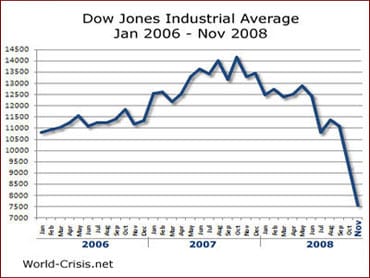
    It is easy to buy into the hype. In 1999-2000, buying technology stocks was supposedly the “smart” thing to to. Until the technology bubble burst and the stock market was the easiest place to lose a fortune in a hurry.

    In 2006-2007, the place to be was anything related to real estate. A boom had caused prices of properties in the U.S. to soar, and everything from commercial real estate stocks to REITs to bank stocks were flying high.

    But when 2008-2009 came along, the wind had come out of the sails of most of these hyped up stocks, and fortunes amassed during the boom times were lost even faster.

    dow jones june 2006 to november 2008

    When you’re on the crest of a wave, it is hard to know where the peak is. And when markets crash, it is hard to know when the bottom has been reached.

    Timing the markets well is difficult because of information asymmetry. It is a fact of investing that some investors will always know more than others.

    Analysts at billion dollar funds may speak to dozens of domain experts before placing a bet on a technology stock, such as Facebook or Twitter.

    They research intensely because when times get tough, they know where the floor is in the share price, and when it offers compelling upside potential as a value stock.

    As a casual investor, you probably don’t have the resources to compete with research analysts at big hedge funds, and may lack the technology expertise to take on the quantitative high frequency robots transacting every few microseconds.

    So, a better wager is to forego timing the market and look instead to consistently investing in low-fee index funds that match benchmarks, such as the S&P 500.

    2 – Keep Costs And Fees Low

    “How much do you pay in fees each year?”

    TRADERS

    If you are a trader, one of the biggest risks is churning your trading account. This occurs when you place so many trades that commissions costs eat up much of your profits.

    These days, you can trade inexpensively on many trading and brokerage platforms, such as thinkorswim and TastyWorks, but small commissions costs multiplied by a large number of transactions can still add up to a pretty penny when all is said and done.

    THINKORSWIM® SPOTLIGHT

    thinkorswim®

    InvestorMint Rating

    5 out of 5 stars

    • Commissions: $0 per trade
    • Account Minimum: $0
    • Promotion: Trade free for 60 days, based on $3,000 deposit

    via thinkorswim secure site

    INVESTORS

    As an investor, you may be overpaying in a number of areas. The most obvious fee to pay attention to is what you pay to your financial advisor.

    Management fees can often be well over 1%, which may not sound like much, but it adds up over time.

    When you combine a high management fee with the fees charged by mutual funds, you can end up paying total charges of closer to 2% annually.

    While it’s easy to dismiss a 2% annual cost as insignificant, especially if you are making 7-8% or more annually on average, the power of compounding tells a different story.

    It turns out that high expense ratios combined with high management fees can massively impact your portfolio wealth over time – a lot more than you might think.

    For example, an investor with $100,000 paying 0.5% in total fees annually will grow their portfolio to approximately $866,000 over a 30 year period assuming 8% average annual growth.

    But an investor with the same $100,000 paying 2% in annual fees on a portfolio growing at the same rate over the same time period will see their portfolio grow to just $550,000.

    Expense Ratio
    Year Annual Gain (8%) 0.50% 1.00% 1.50% 2.00%
    0 $100,000 $100,000 $100,000 $100,000 $100,000
    1 $108,000 $107,500 $107,000 $106,500 $106,000
    2 $116,640 $115,560 $114,485 $113,415 $112,350
    3 $125,971 $124,222 $122,488 $120,771 $119,070
    4 $136,049 $133,529 $131,045 $128,595 $126,180
    5 $146,933 $143,532 $140,193 $136,917 $133,702
    6 $158,687 $154,279 $149,974 $145,768 $141,660
    7 $171,382 $165,828 $160,429 $155,180 $150,078
    8 $185,093 $178,238 $171,605 $165,187 $158,980
    9 $199,900 $191,571 $183,551 $175,828 $168,395
    10 $215,892 $205,897 $196,319 $187,141 $178,350
    11 $233,164 $221,290 $209,965 $199,168 $188,875
    12 $251,817 $237,827 $224,550 $211,952 $200,002
    13 $271,962 $255,594 $240,136 $225,540 $211,763
    14 $293,719 $274,682 $256,790 $239,981 $224,193
    15 $317,217 $295,188 $274,587 $255,328 $237,329
    16 $342,594 $317,217 $293,602 $271,635 $251,209
    17 $370,002 $340,881 $313,918 $288,962 $265,873
    18 $399,602 $366,302 $335,622 $307,370 $281,363
    19 $431,570 $393,608 $358,809 $326,925 $297,725
    20 $466,096 $422,939 $383,578 $347,697 $315,004
    21 $503,383 $454,443 $410,035 $369,759 $333,251
    22 $543,654 $488,282 $438,293 $393,189 $352,516
    23 $587,146 $524,626 $468,474 $418,070 $372,853
    24 $634,118 $563,661 $500,705 $444,489 $394,320
    25 $684,848 $605,583 $535,125 $472,537 $416,976
    26 $739,635 $650,605 $571,879 $502,313 $440,883
    27 $798,806 $698,955 $611,124 $533,920 $466,108
    28 $862,711 $750,878 $653,024 $567,467 $492,718
    29 $931,727 $806,634 $697,757 $603,069 $520,786
    30 $1,006,266 $866,507 $745,511 $640,848 $550,388

    The seemingly small differential of just 1.5% in additional costs annually ends up costing the second investor over $300,000 in net worth over a 30 year time period compared to the investor paying much lower fees.

    Funds that are famous for having low fees are Vanguard funds. You can pick them yourselves, or if you find it easier you can look to a robo advisor to do it for you.

    Leading robo advisors, such as Betterment, leverage technology to manage your portfolio automatically in a way that aligns with your risk profile and financial goals.

    BETTERMENT SPOTLIGHT
    betterment

    InvestorMint Rating

    5 out of 5 stars

    • Promo: Up to 1 Year Free Management
    • Management Fee: 0.25% – 0.40%
    • Account Minimum (Betterment Digital): $0
    • Account Minimum (Betterment Premium): $100,000

    via Betterment secure site

    3 – Build A Diversified, Risk-Adjusted Portfolio

    Investment team members at large investment funds holding concentrated portfolios of stocks often vigorously debate the merits of each stock before pulling the trigger and buying.

    If you had to invest $10 billion in 30 stocks, which stocks would you choose?

    At the very least, you would be careful about doing your homework before taking the plunge.

    To research a company, you would want to know its financials and perform quantitative research.

    Key metrics to pay attention to would include:

    • What are the returns on invested capital?
    • What are the price-earnings ratios?
    • Are earnings growing or declining?
    • How much debt does the company service?
    • How much cash does the company have on its balance sheet?
    • Are customers returning?
    • What is the lifetime value of customers?

    All these factors play a role in quantitatively analyzing a company. But equally important is qualitative research, such as:

    • Does management make decisions aligned with shareholders?
    • Is the market for the company’s product or service growing?
    • Does the company have any inherent competitive advantages or moats, such as:
      • Network effects (e.g. Facebook)
      • Low cost advantage (e.g. Amazon)
      • Intangible assets, such as brand (e.g. Coca Cola)
      • High switching costs (e.g. Salesforce.com)
    • Is the company gaining market share within its market?

    If you cannot answer these questions, it’s time to roll up your sleeves and do some homework.

    After all, you worked hard for your money so now that you want it to work for you, make sure it is allocated to the most efficient money-making vehicles that align with your risk tolerance.

    The process of selecting stocks is time-consuming however. So, an easier path if you are not inclined to perform due diligence on stocks is to build a balanced portfolio of diversified stocks and diversified bonds.

    Index funds allow you to invest in stocks that align with your financial goals and risk tolerance.

    You can choose clean energy index funds, sustainable energy index funds, technology funds, or broader funds that track benchmarks, such as the Dow Jones Industrial Average, NASDAQ, or S&P 500.

    The father of Efficient Market Theory, Eugene Fama, recognized that no individual will have more knowledge than the market as a whole. So, choosing low-fee, risk-adjusted index funds is a smart choice for most investors.

    4 – Beware Of Fear And Greed

    One of the most famous sayings of billionaire investor, Warren Buffett, is:

    “Be greedy when others are fearful and be fearful when others are greedy”

    What he means is when everybody else is selling in a panic, it may be time to buy. And when everybody is buying hand over fist, it may be time to sell.

    But this advice is much easier said than done. We humans have cognitive biases that affect our decision-making so that rational choices become more difficult.

    The endowment effect, for example, makes us value something we own more than something we don’t.

    So, when you own a stock, you may think it is worth more than it is – simply because you own it!

    Any trader who has placed a wager on the market rising or falling by shorting stock or buying put options, will know the inner tug when a stock falls below its purchase price – should you cut your losses or hang tight in the hopes the share price will return to breakeven and more?

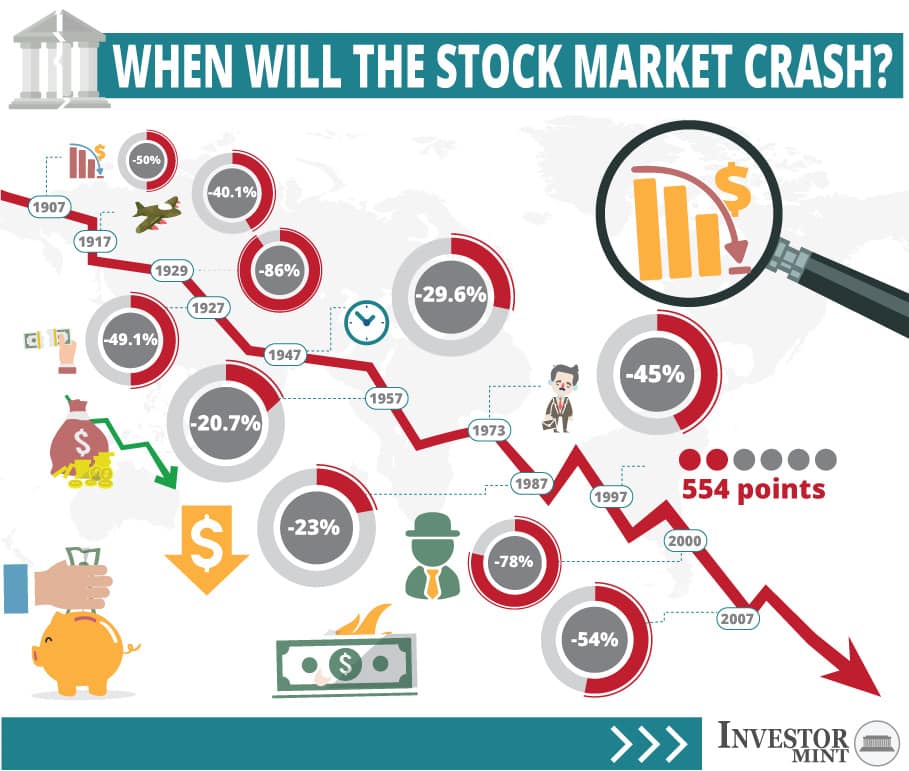
    Giving in to fear when stocks fall or giving in to greed when stocks rise is so common that many stock market bubbles and stock market crashes have resulted from investors becoming overly emotional at market extremes. They make buy or sell decisions based on sentiment more so than reason.

    To sidestep the risks of emotional investing, look to a smart retirement planning strategy. By investing in a way that is aligned with your risk profile, you will be less likely to panic on the way down or buy hand over fist on the way up just when the market may be about to peak.

    For most people, slow and steady consistent investing in an index fund that tracks the market is a better bet for the long-term.

    >> Related: What Are The Best Brokers For Free Stock Trading?

    5 – Study Billionaire Investors

    In any field you want to succeed at, it makes sense to study people who have already been super successful. The same is true of investing.

    If you want to make a lot of money in investments, then study what successful investors do!

    The quintessential example is Warren Buffett. He is well known in the investment field because he has made billions without resorting to insider trading or other illegal activities and enjoys helping others learn from his success, but he is far from the only one you can study.

    Stanley Druckenmiller, Joel Greenblatt, Carl Icahn, George Soros, David Tepper, Jeremy Grantham, and John Paulson are just a handful of the wealthiest investors on earth who have investing lessons galore to share.

    Read books about them and focus on the principles they have to teach. Nothing is guaranteed, of course, but if you do that, it gives you the best chances of success as an investor.

    6 – Ignore Unsolicited Advice

    Ignoring advice you didn’t ask for is one of the most important investing lessons you’ll ever learn. Most people who offer such advice are well-meaning – but don’t know what they are talking about when it comes to investing.

    Friends and family often give advice based on misunderstandings that have become “common knowledge.” For example, many people know that the Great Depression was caused partially by a stock market crash so they may give you advice based on the idea that stock market investments are a gamble and that you should be very careful about investing anything.


    SHARE THIS INFOGRAPHIC ON YOUR SITE USING THE FOLLOWING CODE

    Others may have read a news headline saying a particular company is a hot investment and push you to invest in this company without knowing anything else about it.

    The bottom line is that no matter how well-intentioned someone’s advice is, it’s not helpful unless they have facts to back it up.

    If someone makes a suggestion about when, how, or why you should invest, ask yourself what this person’s experience with investment is.

    If the person hasn’t made a lot of money via investments themselves or relies on a financial advisor to direct their retirement investments without giving much input into the process themselves, that person’s advice is not based on knowledge and listening to it could be risky.

    You don’t have to tell people they don’t know what they’re talking about, of course, and if the advice-giver is a friend or family member you probably don’t want to hurt their feelings. But you don’t have to take their advice either. Thank them for it and then do what makes sense to you regardless of their opinion.

    7 – Max Out Your Retirement Accounts

    The old saying is that there is no free lunch in the stock market, but retirement accounts are as close as you can get to one.

    If you max out your 401(k) plan, you can put $18,000 a year into a retirement account that grows tax-free until you take withdrawals.

    If you are above the age of 50, you can invest up to $24,000 annually.

    So, if you earn $100,000 annually and allocate the maximum amount of $18,000 to your 401(k), just $82,000 is taxable; it’s a great way to lower your tax bill.

    Retirement accounts, such as 401(k)s, IRAs, and Roth IRAs, are a great way to grow your wealth over time.

    Not only do you enjoy tax-free growth of earnings, but you reduce the taxes you pay to the government short-term.

    What investing lessons have you learned to build wealth in the stock market? Share your stories with us below, we would love to hear from you.

    >> How Does A Fed Rate Hike Affect You?

    >> What Are The Best Robo Advisors?

    >> Who Are The Best Online Stock Brokers For New Traders?

  • 10 Top Financial Advisors Phoenix AZ

    10 Top Financial Advisors Phoenix AZ

    top financial advisors phoenix azFinding a Top Financial Advisor Firm in Phoenix, Arizona

    Finding a top financial advisor can be a challenge even for those who consider themselves to be well-versed in financial matters because there are hundreds of advisors on the market selling their services with different fee structures and account minimums.

    Although it can be hard to tell which firms are worth working with, this list of the top financial advisors in Phoenix Arizona can provide you with valuable insights to help you make a smarter decision.

    Below, we rank the top financial advisors in Phoenix based on amount of assets under management in descending order.

    #1 TFO Phoenix, Inc.

    TFO Phoenix has nearly $2.5 billion in Assets Under Management (AUM), which makes it one of the largest financial advisor firms in the state of Arizona. Despite this, there are no account minimums to maintain.

    TFO Phoenix offers a variety of services including:

    • Wealth Planning
    • Investment Advisory
    • Tax Consulting and Compliance
    • Estate and Gift Planning
    • Philanthropic Planning
    • Family Governance and Education

    If you need help with tax planning or other issues related to paying taxes or filing a tax return, TFO Phoenix has 13 Certified Public Accountants (CPAs).

    This is in addition to 18 other financial advisors that include four Certified Financial Planners (CFPs) and a Chartered Financial Analyst (CFA) on its roster.

    TFO Phoenix Investment Approach

    The company believes strongly in a diversified investment approach, which can lower an investor’s risk by spreading exposure over multiple sectors of the economy.

    If one sector is experiencing a downturn, an upturn or consistent growth in other sectors can negate those losses.

    Furthermore, there is no need to pick individual stocks, which may be risky and result in lower returns in the long run.

    Interesting Facts About the Firm

    In 2017, the TFO Phoenix’s president was named Arizona’s top financial advisor by Barron’s.

    He has also been named one of the state’s top five financial advisors over the past several years.

    If you’re interested in learning more about the firm and what it may be able to do for your financial future, visit https://tfophoenix.com/ or call (602) 466-3813.

    financial advisor explaining plan

    #2 Wall Capital Group, Inc.

    If you prefer a pragmatic approach to investing, Wall Capital Group may be an ideal fit.

    Whether you need help with your own finances or need someone to oversee a group portfolio, Wall Capital Group has the resources to do so.

    Is Wall Capital Right For You?

    Wall Capital is another financial firm that does not have a required account minimum to do business with them.

    Generally speaking, individuals who have their money managed through the firm are of modest means compared to accounts held at other companies.

    Although accounts are available for individuals who need assistance managing their money, the company is better known for its management of nonprofit and government funds.

    Specifically, Wall Capital is best known for its management of funds devoted to helping public safety professionals. Many of the company’s employees were police officers or firefighters before joining the organization.

    Wall Has Been Around for Decades

    Wall Capital was founded in 1990 by a husband-and-wife team.

    Prior to March 2018, the organization was known as Money Matters Financial Group.

    The firm manages over $1 billion in assets, and it features four advisors on its staff, including a CFP and a Certified Investment Management Analyst (CIMA).

    A Certified Retirement Counselor (CRC) is also available to clients.

    How Does Wall Capital Invest a Client’s Money?

    The firm likes to take a measured approach to how it invests a client’s money.

    An asset allocation plan is created based on the needs of the individual as well as his or her risk tolerance.

    A portfolio will likely be rebalanced as time progresses or if a person’s needs change throughout their lives.

    Wall Capital understands that its clients have many different goals and can help in the process of reaching them. For instance, they can offer advice as it relates to paying for college, paying for retirement or creating a discretionary fund. This can help an individual obtain the financial flexibility that he or she desires.

    Wall Capital likes to invest in mutual funds and Exchange-traded Funds (ETFs), which allow for broad diversification.

    However, it also allows an individual to invest in stocks or other growth sectors without taking on as much risk. As a result, investors don’t have to sacrifice long-term returns for greater capital preservation.

    Interested in learning more about the Wall Capital Group? Visit their website at https://wallcapitalgroup.com/. It may also be possible to get in touch with a representative by calling (623) 242-6332 or visiting their office in Phoenix.

    #3 Belpointe Asset Management, LLC

    Who Does Belpointe Serve?

    Belpointe makes the top 3 list for financial advisors in Phoenix, Arizona.

    It does not require a minimum account balance, which means that anyone is free to have their money managed by the company.

    Its client base is generally individuals who are not considered to have a high net worth. However, it does consulting work with wealthier individuals as well as businesses and other investment firms.

    It also works with trusts that may be held by individuals of various financial means.

    Since the company works with people across the economic spectrum, there is a good chance that there are investment strategies or tools that will make sense for most prospective clients.

    Belpointe Believes in Its Fiduciary Responsibility

    The firm chooses to make investment or other decisions for its clients by determining what is in the client’s best interest.

    There are 72 advisors within the organization, and they include CFPs and Certified Private Wealth Advisors (CPWAs).

    Its approach to investing means that it doesn’t offer a set of predetermined product or service packages.

    At Belpointe, clients can expect to receive advice relating to managing the assets that they have now as well as creating financial plans to grow wealth into the future.

    Passive Is Better Than Active

    Belpointe believes that passive portfolio management tends to do a better job of maximizing returns over longer periods of time.

    This is largely because management fees and other costs related to actively managed assets tend to eat away at returns over time.

    The firm tends to invest in stocks, bonds and index funds in addition to mutual funds and anything else that makes sense for a client.

    Who Owns This Firm?

    It was founded in 2007 by a father-and-son team, but the company is now owned by Belpointe Financial Holdings, LLC, which is owned by Brandon Lacoff.

    This holding company is also partially owned by the company president, Greg Skidmore.

    Anyone who is interested in learning more about this firm can do so by visiting https://belpointe.com/. The firm’s phone number is (480) 646-3504, and an employee may be able to answer your questions or provide greater detail for you.

    financial advisor with another happy couple

    #4 Versant Capital Management, Inc.

    Those who enjoy working directly with the person who will be making the investment decisions may get what they need from Versant Capital.

    The company was formed in 2004 and measures success or failure based on how well it is meeting client goals.

    Versant Serves Clients With High Net Worths

    If you are looking to invest your money through Versant Capital, you will need to have at least $2 million in your account.

    The company itself is owned by a pair of trusts, and the Chief Investment Officer (CIO) has more than 30 years of experience in the financial industry.

    The company name, Versant, means “experienced,” and the company prides itself on giving clients quality investment information based on historical trends and other evidence.

    Versant Doesn’t Like Change

    Ideally, assets managed by Versant will remain in place in their current form for as long as possible.

    The company’s investment philosophy is to ensure that asset allocation remains roughly the same while also minimizing taxes and fees.

    Furthermore, the firm takes a long-term view of investing, which is another reason why stability is key.

    Investments tend to offer the most growth over years or decades as opposed to weeks or months. This is because they are allowed to compound, which means that they grow at an exponential rate.

    Keeping turnover and other changes to a minimum can keep fees and other costs to a minimum that could otherwise cut down on overall returns.

    Expect a Diversified Portfolio

    Versant will invest in a variety of asset classes such as stocks, bonds and commercial paper.

    You can also expect that their advisory team will look into ETFs, mutual funds and anything else that may benefit you.

    The company will do its best to tailor a plan that meets your unique needs.

    How Much Money Does Versant Manage?

    Versant manages a little over $900 million in assets, and it has 11 advisors as part of its team.

    The advisory staff members include a Certified Public Accountant/Personal Financial Specialist (CPA/PFS) as well as a Chartered Alternative Investment Analyst (CAIA).

    This may help you feel better about the advice you get and how it meshes with your current and future financial goals.

    The company has a fee-only structure of payment. You can learn more about this firm by visiting http://versantcm.com/. You can also reach them by calling (602) 635-3760.

    #5 Windsor Capital Management, LLC

    Windsor Capital is ranked among the very best financial advisors in Phoenix.

    It was formed in 2000 and has a team of six advisors to help manage just over $530 million in assets. It is owned by its CEO as well as its CIO.

    Windsor Capital Management Serves Investors of All Types

    Windsor Capital Management does have account minimums, and those minimums range from $5,000 to as high as $400,000 depending on a client’s account type.

    The $5,000 minimum applies to online accounts while the $400,000 minimum applies to balanced portfolio management.

    For those who are looking for fixed-income portfolio management, the account minimum is only $200,000.

    What Types of Services Can a Client Receive?

    Clients can expect to receive a variety of services, including general consulting and consulting services related to retirement accounts.

    Windsor Capital will also offer both online and traditional portfolio management tools, and there is an option to use individual services or all of these services packaged together.

    Investments Generally Don’t Take Taxes Into Account

    Those who seek tax efficiency from their investments may not find what they are looking for with Windsor Capital.

    In fact, the company openly admits that they don’t take that into account when it comes to choosing where to put a person’s money.

    The firm suggests that you have a tax advisor ready to create a strategy that might help reduce the amount that goes to relevant tax authorities.

    Where Does Windsor Put a Client’s Money?

    Windsor tends to put money into closed-end mutual funds and ETFs. It will also invest money into fixed-income assets as well as other equities.

    The company uses model portfolios that are designed to match a client’s risk tolerance and timeline. However, individuals have no say as to how much exposure they have to a given asset class.

    Visit https://www.windsoradvisor.com to get more information about the company and how it manages client money. The website features a blog as well as a newsletter that is updated on a monthly basis.

    financial advisor talking

    #6 Hatton Consulting, Inc.

    Hatton Consulting manages just over $330 million in assets, and it has three CFPs who offer management services and advice. The company was formed in 2001, and it is a fee-only firm.

    Hatton Does Work With a Wide Range of Clients

    If you are a widow or a widower, or even a business owner Hatton Consulting wants to work with you. Also, if you are retired or planning on retiring, Hatton can create a financial plan for you make the most of your available assets.

    There is no account minimum to invest with Hatton Consulting.

    Hatton Consulting Helps Create a Comprehensive Plan

    The company aims to provide advice about both investing and wealth management.

    This can be helpful because it allows a client to think about all issues that he or she may face, such as the tax implications of a given investment.

    Wealth management also focuses on issues such as charitable giving or how to otherwise structure an estate.

    Proper estate planning may allow a person to engage in legal and effective tax avoidance.

    This could result in more money going to beneficiaries or charitable causes after the individual’s passing.

    Common estate planning tactics could include buying insurance policies or putting assets into trusts to protect them from being seized by creditors or others.

    Investment planning itself helps an individual learn more about the different options available and how they fit into a person’s overall goals.

    Generally, money is placed into fixed-income equities and mutual funds. The exact allocation of funds is determined after an initial meeting, and there is an annual review process to keep a portfolio on track for success.

    Hatton Takes Its Responsibility to Clients Seriously

    Those who are looking to have a professional invest their money should be impressed with Hatton’s commitment to being a fiduciary.



    The firm’s founder wrote a book called “The New Fiduciary Standard” while the firm itself was featured on the cover of Financial Advisor magazine.

    Going to https://www.hattonconsulting.com can make it easier for you to find out more about this firm and how it could help you manage your money.

    #7 KeatsConnelly

    One of the unique features of Keats, Connelly and Associates, LLC is that it is designed to help those who regularly spend time in the United States and Canada so it’s not just one of the top financial advisors in Arizona.

    It may be the right firm to work with if you are planning on moving to the United States from Canada or to Canada from the United States.

    It can also be an ideal partner if you are living in one country but are a citizen of the other.

    KeatsConnelly can help with almost any investment need that you may have, and the 15 members of their advisory team have an understanding of both American and Canadian tax law.

    Its advisors include multiple CPAs as well as a CFA and a Certified Financial Consultant (CFC).

    They Offer a Wealth of Information About the Cross-Border Lifestyle

    The company hosts a number of forums, has produced multiple books and offers other sources of information for those who are interested in this type of lifestyle.

    The forums allow individuals to talk with each other about any problems or concerns that they have and how to handle them.

    What Else Should You Know About KeatsConnelly?

    The account minimums vary depending on the type of account that a person has with the firm. It currently manages just over $320 million in assets.

    The firm was founded in 2009, and you can find out more about it by visiting http://www.keatsconnelly.com/. You can also reach KeatsConnelly at (602) 955-5007.

    financial advisor with happy couple

    #8 Pathlight Investors, LLC

    Pathlight Offers a Variety of Financial Services

    Those who are looking for wealth management, investment and financial planning services may be able to find what they are looking for with Pathlight.

    Get help with planning a retirement or even getting a business off the ground. The advisory team can also assist with issues related to:

    • Insurance
    • Tax planning
    • Estate planning

    How Does Pathlight Allocate Funds?

    Pathlight will review your financial needs and timeline in a group setting to determine how to best allocate your funds.

    Your money is usually placed into equities, fixed income investment tools and cash.

    Alternate investments may be used if it makes sense to do so.

    The Company Offers an Automated Service

    If you have at least $5,000 to invest, you can use Pathlight’s automated online investment service.

    This service invests mostly in ETFs, and it can also help you determine the appropriate level of cash to keep in your account at any given time.

    myPath Helps Keep Investors on Track

    Pathlight offers an online portal called myPath that allows you to get an overall picture of your financial situation.

    This is done by integrating information from other accounts as well as providing updates in real time.

    Blog posts, videos and other articles are also posted online to provide you with additional guidance.

    Going to http://www.pathlightinvestors.com can help you learn more about this wealth management company. To speak with a person, feel free to call (602) 795-7600 during normal business hours.

    #9 RTS Private Wealth Management

    RTS Is Best-Suited for Those Close to Retirement

    If you are looking to invest your money with RTS Wealth Management, you will need to have at least $1 million in your account.

    This firm specializes in helping individuals who are retired or are about to retire and need help making sure that they are financially stable while doing so.

    It is important to note that RTS does sell insurance products and receives commissions for doing so.

    However, it does have a fiduciary responsibility to each of its clients, and it takes its commitment seriously. Therefore, there is little need to worry about a conflict of interest.

    Of course, individuals should do their due diligence before buying any type of insurance or other products from a wealth management firm.

    RTS Mixes Active and Passive Management Strategies

    By investing with RTS, you will have an actively managed core portfolio and a passively managed periphery.

    Portfolios are created using asset classes that help you meet your goals while also adhering to your values.

    They are designed by first picking asset classes followed by picking sectors within each asset class. Finally, individual securities are chosen for the portfolio.

    The ultimate goal is to ensure consistent long-term returns while minimizing volatility whenever possible.

    RTS Private Wealth Management will typically invest in mutual funds and ETFs. It will also invest in individual stocks as well as fixed-income securities if necessary to meet a portfolio’s goals.

    Expect to Have Plenty of Meetings Along the Way

    There are a variety of meetings that you will need to attend as part of the process of working with RTS.

    The first meeting will help both you and RTS get to know each other and learn more about how your partnership will work.

    There are also meetings with a CPA and other financial and wealth management professionals.

    Furthermore, there is a progress meeting after 45 days as well as regular follow-ups to determine if investment decisions are meeting your needs.

    Prospective clients can get more information about this firm and its offerings by visiting http://www.rtsadvisors.com. It is also possible to visit their physical office location in Phoenix or speak to a representative by calling (602) 224-7850.

    #10 Ironwood Wealth Management, LLC

    Ironwood Also Caters to Those Close to Retirement

    Those who are looking to manage their retirement accounts can turn to Ironwood Wealth Management to do so, and the minimum required account balance depends on the type of service that a client needs.

    Like other wealth management companies, this firm does sell insurance products. However, it also has a fiduciary to its clients, which means that it is legally required to always act in their best interests.

    The Five-Step Plan to Success

    Ironwood provides clients with a five-step plan that will help them meet their goals.

    The first step is to create a written plan that will outline a person’s goals, timeline and other variables that may be relevant. Once this plan has been created, assets are selected that will make up the client’s portfolio.

    Generally speaking, money is placed into mutual funds and ETFs. The final step is to constantly monitor the portfolio and make changes if necessary.

    In most cases, rebalancing is necessary because of changing market trends or changing client goals.

    To learn more about the five-step plan or anything else about this company, go to http://www.ironwoodwm.com. It is also possible to talk with a representative of the company by dialing (480) 776-5960.

    10 Top Financial Advisors Phoenix AZ Summary

    Finding the right financial advisor requires research. You want to make sure that you can meet the account minimum of the firm you choose, and you want to know that they have your best interest in mind.

    Be sure to pick a firm that will be able to cater to your specific needs as well. Since the financial advisors on this list have experienced personnel, you should be able to find the right one for your needs.

  • Best Retirement Plans For Independent Contractors

    Best Retirement Plans For Independent Contractors

    piggy bank saving for retirement

    InvestorMint provides personal finance tools and insights to better inform your financial decisions. Our research is comprehensive, independent and well researched so you can have greater confidence in your financial choices.

    The best retirement plan for an independent contractor depends largely on how many, if any, employees work for them. If you work as a solo independent contractor, retirement plans are generally simpler and less costly than if you have employees. Once you hire employees, you may be obliged to contribute to their retirement plans as well as to your own, placing additional burden on your company financials.

    It is standard practice at large corporations to provide 401(k) plans to full-time employees, but as a small business owner, the cost of providing retirement plan benefits may be a large portion of revenues or profits. Before selecting one plan over another, think carefully about the ongoing financial commitments to contribute to a retirement plan or plans of many employees and what the financial liability will mean not just for your personal finances, but for your company’s finances too.

    Solo 401(k) Retirement Plan

    Owning a business or working as a freelancer can make it difficult to find retirement plans that accumulate value.

    Many employees can take advantage of an employer-matched 401(k) plan. When the employee makes a contribution, the employer matches a percentage of the contribution.

    That option doesn’t exist for self-employed people. Solo 401(k) plans give individuals an opportunity to invest in their retirement funds. While no one matches their contribution funds, they can still benefit by investing in a solo 401(k).

    Are You Eligible for a Solo 401(k)?

    The IRS only allows business owners without employees to open solo 401(k) plans. Freelance workers without employees also fall into this category.

    If you have any employees, then you cannot contribute to a solo 401(k) plan. Business owners with employees should consider retirement investment options such as regular 401(k) plans, SIMPLE IRAs, and SEP IRAs.

    Benefits of Contributing to a Solo 401(k)

    Although you don’t get matching contributions from a solo 401(k), starting an account does give you several benefits that makes retirement planning easier.

    Most people start solo 401(k) plans because they want to take advantage of tax benefits. The government lets you deduct your solo 401(k) contributions from your annual income, which means you don’t pay any taxes on your contributions. Instead, you pay taxes when you remove money from the account.

    Alternatively, you can choose to get taxed on your 401(k) contributions and avoid taxes when you withdraw money after retirement.

    Regardless of the option you choose, you can give your spouse access to your solo 401(k). Even if your spouse participates in your business, effectively acting as an employee, you can still open and contribute to a solo 401(k).

    How can you decide which option works better for you?

    If you expect your income to decline after you retire, then you will get more benefits by avoiding taxes on your contributions.

    If you think that your income will increase or stay the same after you retire, then paying taxes on your contributions could benefit you because it lets you avoid higher taxes in the future.

    Solo 401(k) Contribution Limits

    The Treasury Department sets solo 401(k) contribution limits just like it sets limits for regular 401(k) plans. For 2019, you can contribute up to $56,000 to your solo 401(k). The amount that you can contribute, however, depends on how much money you earn in 2019.

    No matter how much money you make, you can automatically contribute up to $19,000 to your solo 401(k). People 50 and older can contribute an extra $6,000.

    The rest of your contribution cannot exceed $37,000 or 25% of your net self-employment income, whichever is lower. If you earn $280,000 in 2019, then 25% of your income will max out your $37,000 contribution.

    Opening a Solo 401(k) Account

    Most brokers will let you start a solo 401(k) account with them. Before you can open a plan, though, you will need an Employer Identification Number. You also need an Employer Identification Number to file your taxes.

    Your 401(k) account lets you invest in a variety of vehicles, including index funds, mutual funds, stocks, and bonds. For the most part, you’re only limited by what services your broker offers.

    Many self-employed people find retirement saving a challenge. With a solo 401(k), you get a straightforward way to accumulate interest and avoid taxes so you can afford to retire.

    THINKORSWIM® SPOTLIGHT

    thinkorswim®

    InvestorMint Rating

    5 out of 5 stars

    • Commissions: $0 per trade
    • Account Minimum: $0
    • Promotion: Trade free for 60 days, based on $3,000 deposit

    via thinkorswim secure site

    Pro Tip: Other names for the same plan include solo-k, uni-k, and one-participant k plans.

    Solo 401(k) Example

    As the business owner, in addition to contributing as much as $19,000 (or $25,000 if over age 50), you are also entitled to choose employer non-elective contributions of up to 25% of your earned income.

    To highlight how this works, consider a business owner with $100,000 of earned income. The business owner can defer the first $19,000 (or $25,000 if over the age of 50) directly into the solo 401(k) retirement plan. And the business owner can contribute up to an additional 25% of salary ($25,000) for a total contribution of $44,000.

    For a business owner over the age of 50 who is earning $50,000 in W-2 wages, it is possible to defer the first $25,000 and an additional 25% of salary ($12,500) for a total contribution of $37,500.

    The maximum contribution permitted annually for a solo 401(k) plan is $56,000 for those under the age of 50 and $59,000 for those over the age of 50. What makes the solo 401(k) so attractive is that you don’t need to earn as much as other plans, such as the SEP IRA, to contribute the same amount to your retirement plan.

    While the solo 401(k) is attractive in allowing you to contribute a large amount in a short period to your retirement nest-egg, it is more administratively burdensome than other retirement plans. Once you accumulate $250,000, you will be obligated to file annual report Form 5500-SF with the Internal Revenue Service to declare assets in the plan.

    How To Finance Your Business From Your Solo 401(k) Plan

    A business owner looking to grow their business can finance expansion by borrowing the lesser of $50,000 or 50% of contributions from their solo 401(k) plan.

    An added benefit of the solo 401(k) plan is the opportunity to borrow from plan contributions to finance your business. The most you are permitted to borrow is $50,000 or 50% of your contributions, whichever amount is lower.

    For solopreneurs who need money to grow their business, this is an attractive financing choice because interest rates are reasonable. The fly in the ointment is that you must repay borrowed funds within 5 years, so make sure to crunch the numbers for the business before electing this financing option.

    SEP-IRA Retirement Plan

    A SEP-IRA has a high contribution limit, no requirement to make annual contributions, and all contributions are made with pre-tax dollars. Business owners are required to contribute the same percentage of pay to employee SEP-IRA plans as they contribute to their own SEP-IRA plan.

    Similar to a solo 401(k), a SEP-IRA has a high contribution limit. The limit is $54,000 in 2017 ($53,000 for 2016). However, the most that can be contributed annually is the lesser of 25% of annual compensation or $54,000. So if the business owner earns $100,000 annually, then no more than $25,000 may be paid into his or her SEP-IRA retirement plan.

    Another attractive feature of the SEP-IRA is that contributions do not have to be made every year, so if your business encounters cash flow issues you are not required to continue making contributions. A further advantage of the SEP-IRA is that all contributions are made with pre-tax dollars, so you benefit from the inherent tax advantages.

    Where the SEP IRA has drawbacks for the small business owner without abundant cash flow is employees must receive the same percentage of pay into their SEP-IRA plans as the percentage the business owner contributes to their own plan.

    Consider a small business owner earning $100,000 annually who has three employees and wishes to direct 10% of earnings ($10,000) to a SEP-IRA plan. If each of the three employees earns $50,000, the business owner must contribute 10% of $50,000 ($5,000) to each employee SEP-IRA plan, for a total of $15,000.

    For a business owner with employees, you can see that choosing a SEP-IRA can quickly becomes costly. If the business is growing and plans are in place to hire more employees, careful evaluation of projected costs should be made before electing the SEP-IRA.

    SIMPLE IRA Retirement Plan

    A SIMPLE (Savings Incentive Match Plan for Employees) IRA allows independent contractors to contribute more to a retirement plan than is possible through a traditional IRA. For business owners with employees, the SIMPLE IRA gets more complicated: an employer must select the amount of contribution matching, notify employees of periods when contribution levels may be changed and keep election periods open for at least 60 days.

    Independent contractors without employees will find the SIMPLE IRA to be an attractive retirement plan option. While contributions to a traditional IRA are restricted to $5,500 annually (or $6,500 over the age of 50), contributions to a SIMPLE IRA of up to $12,500 annually (and $15,500 for those over age 50) are permitted.

    For business owners with employees, the IRS mandates that the employer must select one of the contribution methods below and inform employees which one is chosen for the following year.

    1. 2% non-elective contribution: contribute 2% of each employee’s compensation to the employee’s plan, irrespective of whether the employee contributes; or
    2. 3% matching contribution: match each employee’s contribution on a dollar-for-dollar basis up to 3% of the employee’s total compensation.

    It is permitted to reduce the 3% figure to a lower amount provided it is above 1%. Over a 5 year period, a selection amount below 3% is permitted in only two calendar years.

    The SIMPLE IRA is more administratively burdensome than some other plans because employees must be notified when they can change their contribution amounts during the plan’s election period, which must be at least 60 days long. The IRS stipulates that at least one election period between November 2 and December 31 is made available to employees, though the employer can open up additional election periods if they wish.

    Traditional IRA & Roth IRA Retirement Plans

    Traditional and Roth IRA retirement plans have lower annual contribution limits than other retirement plan options but are a good choice for those early in their careers or unable to contribute more than the threshold limits each year. The Roth IRA is generally the better choice if you believe your tax rate will increase over time. Plus, the Roth IRA has greater flexibility because contributions (not earnings) may be withdrawn tax-free and penalty-free.

    In a traditional IRA, pre-tax dollars are contributed while in a Roth IRA after-tax dollars are contributed. In both cases, contributions are limited to $5,500 annually ($6,500 over the age of 50). Although the cap is lower compared to other plans, traditional IRA and Roth IRA plans are good starter options for independent contractors who don’t have the means to set aside a larger amount for retirement.

    The Roth IRA has the edge over the traditional IRA in two ways:

    1. If you expect your tax rate to increase over time, the Roth IRA is the better choice because you pay lower taxes upfront than you would otherwise in retirement years with a traditional IRA.
    2. You can withdraw your contributions without paying taxes or penalties at any time – because after-tax contributions were made, the IRS has already received tax payments. However, investment gains are subject to Roth IRA withdrawal rules, including a minimum five year period that the account must be held.

    No matter which retirement plan you choose, the power of compounding gains over long time periods can significantly increase the size of your retirement nest-egg, so find the best IRA provider to meet your needs and get started.

    Discover >> Find The Best IRA Providers

  • Wealthfront vs Vanguard Comparison

    Wealthfront vs Vanguard Comparison

    wealthfront vs vanguard personal advisor services
    Some of the most innovative players in financial management these days are robo-advisors, which offer returns comparable to those attained by human investment advisors but with significantly lower fees.

    Two of the best-known names in the robo-advisor world are Wealthfront and Vanguard Personal Advisor Services.

    While the Vanguard Group is one of the world’s oldest and most illustrious investment companies, its foray into digital money management didn’t begin until recently.

    In contrast, Wealthfront has been offering automated management services to clients for over a decade.

    So is age or experience a better bet? In this Wealthfront vs Vanguard review we help you decide.

    How Robo-advisors Work

    Robo-advisors are digital money managers that rely upon algorithms to select investments and calculate asset allocations.

    When you sign up with a robo-advisor, you’re given a questionnaire to fill out; your answers are used to determine your risk tolerance and your future financial goals.

    A diversified, risk-adjusted portfolio is then created for you, and that portfolio will most likely consist of exchange-traded funds (ETFs).

    Vanguard Personal Advisor Services may be most appealing to deep-pocketed investors who are interested in the hands-off investing experience offered by robo-advisors yet still want the reassurance of knowing a human financial consultant is available.

    VANGUARD PERSONAL ADVISOR SERVICES
    vanguard investments

    InvestorMint Rating

    4.5 out of 5 stars

    • Management Fee: 0.30%
    • Account Minimum: $50,000

    via Vanguard secure site

    Wealthfront is best for hands-off investors who don’t need the fallback of phone support with human financial experts.

    Vanguard Personal Advisor Services
    vs Wealthfront Features

    Vanguard Personal Advisor Services is actually a hybrid service: It combines computer-based money management with human advice.

    To start an account, you must invest a minimum of $50,000.

    Management fees of 0.3% are in line with the fees charge by other top robo-advisors.

    Wealthfront’s process, on the other hand, is completely automated; its fees are only 0.25%, and you can start an account with as little as $500.

    Wealthfront vs Vanguard
    Fee Comparison

    Vanguard Fees: Vanguard Personal Advisor Services charges an annual management fee of 0.3%. For clients who have invested $1 million or more, that fee is waived.

    Although Vanguard primarily uses its own commission-free ETFs, fund expense ratios still get passed on to clients; these come to between 0.04% and 0.12% annually.

    Additionally, Vanguard charges an annual account service fee of $20 and may charge you for transactions like transferring funds between accounts.

    Wealthfront Fees: Wealthfront’s management fees are 0.25%.

    Fees are calculated on the basis of your portfolio’s average monthly balance and are subtracted from your balance once every month.

    No other transaction fees apply.

    Wealthfront selects ETFs based on risk factors aimed at maximizing returns for given levels of risk.

    Expect to pay annual ETF expense ratios between 0.08 and 0.12%.

    WEALTHFRONT SPOTLIGHT
    wealthfront brokerage trading system robo advisor

    InvestorMint Rating

    4 out of 5 stars

    • Management Fee: $0 for first $10,000
    • An additional $5,000 managed free for each friend invited who signs up
    • Management Fees thereafter: 0.25%
    • Account Minimum: $500

    via Wealthfront secure site

    Investment Minimums

    Wealthfront Vanguard Personal Advisor Services
    Investment Minimum $500 $50,000

    You will need to invest at least $50,000 with Vanguard Personal Advisor Services to open a new account.

    Wealthfront will allow you to open an account with as little as $500.

    Vanguard vs Wealthfront
    Account Types

    Wealthfront Vanguard
    Taxable Taxable
    Traditional and Roth IRAs Traditional and Roth IRAs
    Simplified Employee Pension (SEP) IRAs SEP IRAs
    IRA and 401(k) Rollovers IRA rollovers
    Trusts Trusts
    Personal Investment Accounts 401k (will advise)
    529 College Savings Plans
    Joint

    Tax Strategy

    Tax-loss harvesting is applied by Wealthfront and involves selling losing positions in order to offset capital gains with the aim of lowering the tax impact.

    The original investment is then replaced with another investment that correlates with the portfolio’s risk and return objectives.

    Wealthfront harvests tax losses on a daily basis.

    For investments over $500,000, Wealthfront harvests individual stocks for tax benefits through its Smart Beta investment feature.

    Individual stocks are typically more volatile than ETFs and so may offer more opportunities to minimize taxes.

    Wealthfront also offers tax-minimized brokerage account transfers that port certain assets automatically to your new Wealthfront account; securities held long-term (as defined by the IRS) fall into this category.

    Software algorithms then sell those securities so that they can be realized in the form of tax savings.

    Vanguard Personal Advisor Services does not routinely use tax harvesting, but the strategy may be implemented for some portfolios on a case-by-case basis.

    Vanguard’s client portfolios are set up by human financial advisors who allocate assets to both taxable and tax-advantaged accounts.

    When shares need to be sold for rebalancing purposes, the services look to tax-advantaged accounts first.


    Human Advice vs Digital Advice

    Wealthfront does not facilitate client interaction with human financial advisors by phone.

    However, you’ll always have the opportunity to connect with a human advisor by phone, email or video conferencing at Vanguard.

    When you first sign up for an account, Vanguard will customize an actionable financial plan for you based upon your answers to the interview questionnaire.

    Shortly thereafter, a personal advisor will speak with you either by phone or by video chat. This will give you the opportunity to ask questions and to express preferences that were not reflected in your original questionnaire answers.

    This consultation is offered free of charge, and you are under no obligation to move forward with it after you talk with your advisor.

    If you proceed, a human planner uses the allocations recommended by the algorithm to craft a customized portfolio for you.

    Your account is then reviewed periodically by a Vanguard advisor to help ensure target allocations and risk preferences are maintained.

    All clients have access to a dedicated team of over one hundred advisors should questions arise; however, there’s no guarantee of continuity, so clients may not work with the same advisor twice.

    Clients who keep more than $500,000 in their accounts have the option to work with a dedicated representative for an additional fee; these clients can also send investment-specific questions via email to a Certified Financial Planner at no cost.

    This access to human financial planners means that clients of Vanguard Personal Advisor Services can get advice about investments they hold outside Vanguard because these advisors function like other financial planners.

    Access to human financial planners also means that Vanguard can give you some measure of support for your 401(k) plan, which is a frontier in which few robo-advisors venture.

    >> Manage Your 401(k) Plan Automatically with blooom

    Tools and Calculators

    Vanguard does not make many tools, calculators or widgets available to clients because clients have the option to plan scenarios with live financial advisors.

    Wealthfront offers a personal finance modeling system called Path that allows clients to investigate future outcomes based on information from linked financial accounts, their current investments and their risk tolerance.

    The tool parses these along with assumptions about inflation rates, changes in consumer spending habits and other economic criteria taken from the Bureau of Labor Statistics’ Consumer Expenditure Surveys to create a series of likely future scenarios.

    Asset Classes

    Wealthfront offers clients access to three basic portfolios, depending upon the level of risk that client is comfortable assuming:

    Stocks Bonds
    Balanced Portfolio 50% 50%
    Growth Portfolio 80% 20%
    Conservative Portfolio 65% 35%

    It uses the principles of Modern Portfolio Theory to balance these portfolios.

    Portfolios typically consist of 6 to 8 ETFs that represent stocks, bonds and assets such as Treasury Inflation-Protected Securities.

    Vanguard diversifies holdings with the aim of increasing investment returns and minimizing losses.

    Personal Advisor portfolios have access to Vanguard’s Admiral Shares, a class of mutual funds that offer low expense ratios and that were originally reserved for high net-worth investors.

    Other core holdings may include bond market index funds, international stock market index funds, international bond market index funds and tax-exempt funds that invest in municipal bonds. Many of these are Vanguard-branded ETFs.

    Clients who want access to liquidity also have the option of including money-market funds.


    Customer Support Comparison

    Personal Advisor customers have access to Vanguard advisors whenever they have questions about their portfolios or their financial overview.

    Any tech questions relating to the digital platform are answered Monday through Friday from 8:00 a.m. to 8:00 p.m. EST.

    Wealthfront gives customers the opportunity to resolve website access issues with a live customer support team.

    The phone line is open Monday through Friday from 11:00 a.m. to 8:00 p.m. EST. Customers can connect with the customer support team by email too.

    Mobile App Comparison

    wealthfront mobile buying home manageableWealthfront allows clients to monitor their accounts through mobile apps available for both iOS and Android smartphones.



    The apps are data-driven, so with a touch of a button, clients can generate charts and tables that display how investments have performed over time.

    Wealthfront also features a news feed for mobile devices to which clients can subscribe.

    Vanguard’s mobile app is available for iPhones, Android phones, iPads and Kindle Fires, and it allows clients to connect with any of their Vanguard accounts, including their Personal Advisors services account.

    Wealthfront vs Vanguard Winner

    Comparing Wealthfront vs Vanguard Personal Advisor Services is a bit like comparing apples to oranges.

    Personal Advisor Services has many automated features that permit Vanguard to describe it as a robo-advisor platform.

    However, it is a system driven by human decision-making because, after all, your portfolio is initially put together by a human financial planner, and the algorithms mostly work to keep those portfolios in balance.

    Wealthfront, on the other hand, is a completely automated platform that creates your portfolio based on its proprietary algorithms and that automatically adjusts your portfolio as needed to maintain your level of risk tolerance.

    Vanguard is the clear winner if you’re an investor for whom human contact is important or you’re an investor who wants some measure of control over your investments.

    If you’re basically a hands-off investor who is comfortable following a set investment strategy even if there are a few bumps along the way, Wealthfront may be the better choice.

    You should also consider Wealthfront if you’re working with a relatively small account balance or you’re planning for a specific goal such as a child’s college education.

    Which Robo-Advisor
    Is Best For You?

    Wealthfront is the best choice if:

    • You’re interested in a low-cost robo-advisor service with a proven track record
    • You’re a hands-off investor who’s comfortable formulating a risk strategy and sticking with it for the long term
    • You’re saving for retirement or a specific goal such as your child’s college education

    Vanguard Personal Advisor Services is the best choice if:

    • You’re prepared to invest $50,000 or more
    • You’re interested in having a personalized investment plan created for you at no cost
    • You want the benefit of a human financial planner at a low cost who will advise you not only on your Personal Advisor portfolio but also on your accounts outside of Vanguard


  • Wunder Capital Review 2020 – Invest In Solar Energy

    Wunder Capital Review 2020 – Invest In Solar Energy

    wunder capital review

    InvestorMint provides personal finance tools and insights to better inform your financial decisions. Our research is comprehensive, independent and well researched so you can have greater confidence in your financial choices.

    Financial technology companies have increasingly combined capitalism with social good. For example, student lender CommonBond funds the education of a child in need when it approves a loan. And Wunder Capital is no different.

    In this same spirit of making money while doing something good for the world, Wunder Capital offers investors the chance to earn monthly cash flow by investing in a diversified solar portfolio that promotes renewable energy.

    Wunder Capital develops and manages solar investment funds. From start to finish, the company takes charge of sourcing commercial solar opportunities, underwriting contracts, and constructing each project. Once the solar system is live, Wunder Capital manages the ongoing operations, bills energy customers, and distributes proceeds to investors.

    At this time, only accredited investors are eligible to invest but those who qualify can, according to the company, earn annual returns as high as 6% through the Wunder Income Fund and up to 8.5% annually in other funds.

    But before investing your hard-earned money, what else do you need to know?

    Wunder Capital Spotlight

    WUNDER CAPITAL SPOTLIGHT
    wunder capital logo

    InvestorMint Rating

    3.5 out of 5 stars

    • Minimum Investment: $1,000
    • Accredited Investors Only: YES
    • Investment Duration: 5 → 10 years

    via Wunder Capital secure site

    What Is Wunder Capital?

    Wunder Capital loans money from accredited investors to large scale solar projects in need of financing.

    Wunder Capital connects investors with large scale solar projects in need of financing. As solar investments produce returns, investors earn a share of the proceeds, which are deposited directly into investors’ bank accounts.

    Wunder Capital is a unique financial technology company. Unlike most FinTech companies that are primarily online, Wunder Capital has both an online portal for investors and an offline presence managing and maintaining solar projects.

    The company has an extensive national reach, partnering with over 100 commercial solar developers and installers in 27 states, so Wunder Capital provides a curated solar portfolio much like a solar index fund.

    What makes the investment opportunity attractive to stock market investors is that the asset class is uncorrelated with traditional equity markets, so solar can offset exposure to market fluctuations to some extent.

    Plus, portfolio volatility is expected to be lower than that of a traditional brokerage account portfolio because returns are generated as solar loans are repaid. The loans are backed by tangible businesses and have the potential to produce consistent monthly cash flow.

    For all the obvious benefits, the one big drawback for the average investor is that only accredited investors who earn $200,000 annually (or $300,000 if married) or have a net worth of $1,000,000+ excluding a primary residence are eligible to invest.

    What Are The
    Wunder Capital Funds?

    Wunder Capital offers three investment funds spanning investment terms from 5 → 10 years and offering returns from 6.0% → 8.5%.

    Wunder Capital operates three funds:

    • Wunder Capital Income Fund
    • Wunder Capital Term Fund
    • Wunder capital 5 Fund
    Wunder Capital Funds Term
    (years)
    Projected Annual Return
    Income Fund 10 6.0%
    Term Fund 7 8.5%
    5 Fund 5 7.5%

    The Wunder Capital Income Fund invests in operational solar projects that power businesses across the U.S and has the longest duration of any fund opportunity at ten years.

    The Wunder Capital Term Fund loans to businesses looking to capture the effect of going solar, offers the highest potential annual returns of all funds and has a term length of 7 years.

    And the Wunder Capital 5 Fund invests in large scale solar projects that power U.S. businesses, municipalities, non-profits, and community solar developments.

    wunder capital 5 and income fund

    Is Wunder Capital Right For You?

    Wunder Capital may be right for you if you like the idea of investing in green energy and don’t need access to the capital you invest for at least 5 years.

    Whether Wunder Capital is right for you depends on your appetite for risk, how keen your are to gain exposure to an uncorrelated asset class, and your desire to invest in green energy.

    RISK: LIMITED OPERATING HISTORY

    Wunder Capital was founded in 2014, so it has been operating for relatively few years compared to the length of its investment funds, especially the Wunder Income Fund that has a 10 year term length.

    The company has raised approximately $4.8 million in venture funding, which may seem like a lot but given the scale of its ambitions and operations does not leave the company with very deep reserves.

    As an investor, the short operating history of the company should be considered because it means the company has yet to prove the returns can be sustained over the long term.

    Other companies have fallen short of their lofty ambitions to make money from the solar market, and it could be that Wunder Capital has found the magic sauce but conservative investors may wish to watch from the sidelines a little longer.

    LIQUIDITY RISK

    If the bulk of your assets are currently invested in the stock market, Wunder Capital offers exposure to an uncorrelated asset class which could possibly lower the volatility of your returns.

    However, the risk of investing with Wunder Capital is that your money is tied up for many years. The minimum investment term length is 5 years and the maximum is 10 years so one way or another you won’t be able to touch your money once committed.

    As a general rule, only invest capital you are certain you will not need for day to day living expenses.

    GREEN ENERGY EXPOSURE

    Few investments offer the opportunity both to make money and do good for the world but Wunder Capital Funds falls into that rare category.

    While robo-advisors, such as Betterment, offer investment opportunities in socially responsible portfolios, you generally need to go hunting for quite some time to find other ways to combine social good with money-making opportunities.

    So, if the idea of investing in renewable solar energy is attractive to you while making money along the way then Wunder Capital is well worth checking out.

    How Wunder Capital Works

    Wunder Capital sources capital from investors, manages ongoing operations, bills consumers, and oversees distributions of returns to investors.

    Unlike most of its rivals, Wunder Capital automates the process of funding solar energy related companies in need of financing.

    Wunder Capital relies on its own proprietary algorithms to crunch through data and make faster decisions on which deals to select.

    The company claims the speed of its process compared to traditional financing avenues, such as banks, can help it to pass on savings to investors.

    Wunder Capital doesn’t simply connect investor capital to companies in need of financing. It also manages ongoing operations, such as the maintenance of arrays, consumer billing, and the distribution of returns to investors.

    So, from start to finish, Wunder Capital is involved in projects which means investors can be more confident that the company does not act only as a financing marketplace but has control over operations to ensure targeted returns are achieved.

    Wunder Capital Pros and Cons

    Wunder Capital offers three investment funds that are all uncorrelated with the stock market, offer monthly cash flow potential, have low investment minimums, and promote renewable energy but investments are illiquid and only available to accredited investors.

    Wunder Capital Pros Wunder Capital Cons
    Uncorrelated Asset Class: Investors gain exposure to a “solar index fund” which is uncorrelated to the stock market, and can possibly lead to less volatility in investment returns than remaining fully invested in the stock market. Accredited Investors Only: Only individuals earning $200,000+ annually or with a net worth, excluding a primary residence, of $1,000,000+ are eligible to invest.
    Geographic Diversification: Wunder Capital operates across 27 states in the U.S. so investors can gain access to diversified geographic exposure. Better Business Bureau Rating: No Better Business Bureau rating exists for the company yet, so it is hard to tell how good the company has been at solving consumer complaints.
    Low Minimum: Investors who are risk averse can dip a toe in the water by investing as little as $1,000. Liquidity: Your money will be tied up for at least 5 years and as long as 10 depending on which fund you choose.
    Monthly Cash Flow: Investors looking to earn cash flow monthly may find Wunder Capital to be a great fit because capital is distributed each month.
    Promote Green Energy: A silver lining of your investment is that you get to feel good about investing in green energy projects that are good for the world.
    Algorithmic Vetting Process: A proprietary algorithm is used to crunch through data and make faster funding decisions than would otherwise be possible.

    Wunder Capital Summary

    Wunder Capital offers accredited investors a rare opportunity to invest in a “solar index fund” that has the potential to produce returns that are uncorrelated with the stock market.

    Before taking the plunge and investing, keep in mind that you won’t be able to withdraw your money once it has been committed. Depending on the fund you invest in, your money may be tied up for anywhere from 5 to 10 years.

    If you are not sure whether the investment opportunity is a fit for your overall financial circumstances, it would be well worth consulting with a financial advisor first.

    If you do decide it’s a good fit with your financial goals, matches your risk appetite and tolerance, and your capacity for risk, the opportunity to earn monthly returns and support projects that do good in the world is compelling.

  • Charles Schwab vs Fidelity Comparison

    Charles Schwab vs Fidelity Comparison

    schwab vs fidelity comparison

    Investormint provides personal finance tools and insights to better inform your financial decisions. Our research is comprehensive, independent and well researched so you can have greater confidence in your financial choices.

    Schwab consistently ranks as one of the best online brokers for stock trading. Low commissions, a vast array of securities available to trade, managed services via Intelligent Portfolios, and a broad selection of account types all add to its reputation.

    Fidelity is best known for its no-transaction-fee mutual funds but its brokerage firm stands toe to toe with top brokers, including Schwab.

    Comparing Schwab vs Fidelity, the question is who comes out on top?

    Fidelity vs Schwab

    fidelity investments
    charles schwab

    On equity commissions rates, Schwab and Fidelity cannot be separated. Both charge flat fees of $4.95.

    As you would expect of two top stock brokers, they each provide a full range of services, including the ability to buy and sell options and futures contracts.

    For customers with higher account balances, both firms offer personalized customer service and investment advice.

    However, they each stand out in different ways so let’s see how they compare on key factors.

    Fee Comparison

    Fidelity and Schwab have similar fee structures for their discount brokerage arms.

    Each permits unlimited equity trades for $4.95 per trade.

    The base option rates at each broker is $4.95 as well as a per options contract commissions cost of $0.65.

    Fee Type Schwab Fidelity
    Equity Trades $4.95 $4.95
    Options Base Fee $4.95 $4.95
    Options Per Contract $0.65 $0.65
    Mutual Funds $76 $49.95
    Broker-Assisted Fees $25 $32.95
    IRA Closure Fee $50 $0

    Schwab currently charges a $76 flat fee to buy mutual funds. However, it also offers free trades in both Schwab OneSource Funds as well as U.S. Treasury Securities.

    Fidelity’s fees for mutual fund products range from zero dollars for no-transaction-fee mutual funds to $49.95.

    Neither broker charges annual fees on IRA accounts.

    Trading Platform Comparison

    Schwab offers two trading platforms, neither of which has fee or trade minimums.

    Fidelity offers Active Trader Pro, which is downloadable to desktop or can be used via web interface.

    Schwab Trading Platforms

    Where Schwab shines brightest is it has a service to match the needs of any investor. Looking for commission-free ETFs or extensive research? Learning to trade for the first time or an old pro? Schwab’s got it all.

    StreetSmart (formerly OptionsXpress) and Trade Source are its two trading platforms.

    StreetSmart is available via web-based interface or downloadable desktop. For traders on-the-go, a mobile version is available too.

    Trade Source is a 100% online platform that features research, technical charts and studies, and real-time pricing.

    If you are just getting started as a beginner stock trader, StreetSmart will suffice. For options traders, Street Smart Central has more bells and whistles.

    Clients who need a quick and easy trading experience should look to StreetSmart Edge. Selecting symbols, placing trades, viewing balances, and trading history is all a cinch.

    Fidelity Trading Platform

    You will be spoiled for choice at Fidelity too because downloadable desktop, web-based, and mobile trading platforms are all available.

    Active Trader Pro can be accessed online or downloaded.

    It’s customizable, so if you use similar options strategies again and again or prefer certain technical chart studies you can store them easily for repeat use.

    Experienced investors should check out Wealth-Lab Pro, which features decades worth of data that can be filtered to build custom trading strategies.

    Fidelity earns high marks for its highly impressive options trading experience via mobile, a feat few brokers emulate.

    Investment Securities Comparison

    Both Schwab and Fidelity offer a vast selection of securities in which their clients can easily, cheaply, and instantly invest.

    There are some subtle differences in the firms’ offerings, however.

    Investment Securities Schwab Fidelity
    Stocks
    Options
    Futures
    No Load Mutual Funds
    (all are no-load)
    Load Mutual Funds
    (>4,000)
    Commission-free ETFs
    (> 250)

    (>200)
    Corporate Bonds
    Municipal Bonds
    Treasury Bonds
    Forex

    Stocks

    Schwab and Fidelity offer the full range of exchange-traded equities. Both companies also have the same flat $4.95 fee for equity trades.

    Options

    Fidelity and Schwab allow clients to buy any exchange-traded options.

    The flat fee for options is currently $4.95 plus $0.65 for each contract at both Schwab and Fidelity.

    Mutual Funds

    Mutual funds are one area where Fidelity and Schwab substantially differ.

    Fidelity currently offers more than 12,500+ mutual funds, which compares favorably to the 5,500+ currently available at Schwab.

    Fidelity also offers a number of its own mutual funds to clients, and some of these come with no associated fee, whereas all mutual funds bought through Schwab carry the same $76 fee.

    Mutual funds bought via Fidelity incur a maximum fee of $49.95.

    Commission-free ETFs

    Both offer around 250 (give or take) commission-free exchange-traded funds.

    ETFs

    Both Schwab and Fidelity enable clients to buy most ETFs.

    Bonds

    Fidelity and Schwab both offer a wide selection of bonds, including:

    • Corporates
    • Municipals
    • Treasuries

    Schwab offers free purchases of U.S. Treasury securities while only Fidelity offers free trades on new-issue bonds.

    Forex

    Neither Fidelity nor Schwab offers forex trading capabilities to their clients.

    >> Related: Best Forex Brokers

    Investment Minimums

    Fidelity has no minimum deposit amount for its discount brokerage accounts while Schwab imposes a relatively low minimum of $1,000 for its standard accounts.

    The Schwab investment minimum can be waived with regular monthly deposits of $100.

    Long-term investors will be delighted to know that even Fidelity funds and index funds have no investment minimums anymore.

    Better still, the Fidelity ZERO International Index Funds and Fidelity ZERO Total Market Index Fund have no expense ratios, a rarity among mutual funds.

    But to access Fidelity promotions, you’ll need to commit a minimum of $50,000 – a tall order for most retail investors.

    Account Types

    Even though both Schwab and Fidelity are first and foremost brokerage services, clients who are looking to plan for retirement, save for college, or even form trusts will also find products to suit their needs.

    Schwab Account Types

    Schwab features an expansive list of account types and services, including:

    • Brokerage accounts
    • Retirement accounts
    • Estate Planning accounts
    • Charitable Planning accounts

    Schwab also offers a few account types that Fidelity does not offer, including:

    • FDIC-insured checking account
    • High Yield Savings Account

    These options make Schwab a superior choice for those who are looking for seamless integration with its daily banking in a brokerage or other financial account.

    Fidelity Account Types

    Fidelity offers almost all of the same accounts as Schwab does, except it does not have FDIC-insured checking and currently is not offering high-yield savings.

    However, Fidelity does offer certificates of deposit of varying term lengths.

    In some circumstances, these options may be even more attractive than a savings account.

    >> How To Invest $20k

    Schwab vs Fidelity Tax Strategy

    Both Schwab and Fidelity feature services to lower the tax impact of clients across account types.

    Both also offer government-approved retirement accounts that come with certain tax deferments.

    A large part of Fidelity’s overall business involves the servicing of various defined-contribution retirement accounts.

    These accounts generally have very low fees when compared to other traditional retirement planning services.

    >> 17 Most Important Questions To Ask Your Financial Advisor

    Customer Support Comparison

    When it comes to customer support, both Fidelity and Charles Schwab rank highly among low-cost brokerage services.

    Schwab offers more personalized customer service options as client balances grow and has a large number of personal financial planning services.

    These include its Personal Portfolio Review and its portfolio management services, which feature Diversified Management Accounts and Schwab Managed Portfolios.

    Customer support is available around the clock by phone and at over 300 brick-and-mortar branches nationwide.

    Fidelity Customer Support Review

    Fidelity tends to be more focused on keeping prices low for individual traders. As a result, the company offers fewer personalized account management services, but this does not mean that Fidelity does not offer top-flight customer service.

    On the contrary, Fidelity also provides 24/7 phone support, as well as live chat and broker-assisted trades.

    Fidelity consistently ranks in the top spots for customer service in brokerage industry comparisons.

    For value-oriented investors and those who may want additional help in managing their portfolios, Schwab is going to be the slightly better choice with its automated investment management service, Essential Portfolios.

    >> Top 5 Investing Lessons

    Mobile App Comparison

    Schwab and Fidelity both feature mobile apps that can keep clients connected to their investments on-the-go.

    iPhone, iPad, and Android devices are all supported, as well as the Apple Watch.

    However, Schwab currently does not offer tablet apps for Android.

    >> What Is The Best Way To Invest $10,000?

    Charles Schwab Or
    Fidelity Comparison Summary

    Due to its slightly better overall pricing structure and its more robust day-trading platform, Fidelity just about wins the price battle – certainly when it comes to broker-assisted trades and mutual funds.

    Buy-and-hold mutual fund investors will fare best at Fidelity, which has a broader selection of funds and is renowned in the industry for its diverse selection.

    If you are a stock or options trader you won’t experience much difference, though we give the edge to Schwab following its acquisition of OptionsXpress and integration of its platform into its suite of offerings.

    Clients seeking managed services will also fare better at Schwab thanks to its robo-advisor solution, Schwab Intelligent Portfolios.

    For those with more complex financial situations, Schwab also has the edge with a broader selection of account types.

    FAQ

    What Is Schwab?

    Founded in 1971, Charles Schwab was the first discount brokerage firm.

    And all these years later it remains one of largest brokerage firms in the United States while still honoring its founding principles to provide low commissions trading services.

    Charles Schwab also provides a large number of other financial services, including banking, retirement planning, full-service wealth management, as well as automated investment management.

    What Is Fidelity?

    Fidelity Investments is far older than Schwab and is one of the largest financial services companies in America.

    The company was founded in 1946 and is renowned as a mutual fund specialist. Some of the largest mutual funds in the world originate from Fidelity, which manages a large number of its own funds.

  • SoFi Wealth Management vs. Wealthfront: Which Robo-Advisor Is Better?

    SoFi Wealth Management vs. Wealthfront: Which Robo-Advisor Is Better?

    sofi vs wealthfront

    InvestorMint provides personal finance tools and insights to better inform your financial decisions. Our research is comprehensive, independent and well researched so you can have greater confidence in your financial choices.

    Along with Betterment and Personal Capital, Wealthfront is one of the early, pioneering robo-advisor firms. It was founded in 2008 by Andy Rachleff and Dan Carroll, and like its rivals, has grown fast and acquired billions of dollars of managed assets by offering a compelling value proposition to clients: low fees, automated portfolio management and free tax-loss harvesting services.

    Wealthfront, Betterment and Personal Capital raced so far ahead of many robo-advisor rivals that they may not have paid a great deal of attention to the financial company that could well become their biggest threat over time, SoFi.

    At first glance, it is hard to spot how SoFi, a company that began by refinancing student loans, could pose a serious threat to established robo-advisors who began years earlier.

    But SoFi has established a fervently loyal community of borrowers, who become customers early in their careers before they have acquired wealth.

    The danger for Wealthfront and its major rivals is that SoFi will convert customers from borrowers to wealth management clients as they grow in their careers and squirrel away more savings.

    By winning customers’ mindshare when struggling financially before they even search for wealth management solutions, SoFi can win over clients who might otherwise consider Wealthfront later in their careers, long before the established robo-advisors even get a chance to pitch them.

    SoFi makes this transition from borrower to wealth management client easy by charging no management fees period.

    For most financial institutions competing for these customers, the playing field might be level, but SoFi has established a community of members so loyal that it is virtually unmatched in the financial industry; SoFi’s one-of-a-kind community is an intangible asset that will make it even more difficult for Wealthfront to win these customers over as time go by.

    But for now, which offers you the better investing service: SoFi Wealth Management or Wealthfront?

    SoFi Wealth Management Vs. Wealthfront

    sofi logo 2019
    wealthfront brokerage trading system robo advisor

    Wealthfront co-founder, Andy Rachleff, and his team have stayed true to their vision of providing a fully automated portfolio management service with low fees and low account minimums so that it is accessible to almost anyone.

    As one of the early robo-advisor innovators, Wealthfront has accumulated billions in assets under management, far ahead of SoFi, who launched its wealth management platform years after the early robo-advisor industry pioneers.

    With greater longevity in the industry, Wealthfront has had the time to build its reputation as an automated investing services provider that specializes in tax-loss harvesting via its “Direct Indexing” technique.

    SoFi is the new kid on the block in the robo-advisor industry but that hasn’t stopped it from rolling out a highly competitive, customer-first wealth management platform that beats the fee schedules of industry leaders, and includes perks galore.

    For investors looking for a little more hand-holding, and a personalized investing service, SoFi includes access to human financial advisors.

    Which Roboadvisor Is Best?

    SoFi Wealth Management Vs. Wealthfront

    Robo-Advisor Management Fee Account Minimum Rating Best for Open Account
    wealthfront brokerage trading system robo advisor
    Full Review
    $0 for first $10,000
    0.25% thereafter
    $500 Tax-loss harvesting expertise
    sofi brokerage trading system investingFull Review $0 for first $10,000
    0.25% thereafter
    $500 Low Cost & Live Advisors

    Wealthfront pioneered the model of low advisory fees but SoFi beats Wealthfront on fees and included access to live advisors at no extra cost. For 0.25%, Wealthfront delivers a purely automated portfolio management solution while SoFi also includes access to live advisors.

    Fee Comparison

    Wealthfront and SoFi stand toe-to-toe on fee charges up to a point. Both offer free portfolio management to clients up to the first $10,000. But Wealthfront charges a management fee of 0.25% of assets managed thereafter whereas SoFi remains free.

    Tax-Loss Harvesting

    Wealthfront stands apart from SoFi in delivering a tax-loss harvesting service as part of its product, a feature SoFi does not yet offer.

    Wealthfront describes this service as tax-optimized Direct Investing. It is a way to replace stocks that feature in a diversified portfolio as part of an enhanced form of tax-loss harvesting that reduces investment costs.

    The way it works is that instead of using a single ETF or Index Fund to invest in US stocks, Wealthfront purchases up to 1,001 individual stocks as part of its Tax-Optimized Direct Indexing service.

    This process allows you to take better advantage of tax saving opportunities on account of the movement of individual stocks to improve performance.

    Wealthfront claims its daily tax-loss harvesting service can boost annual returns by as much as 2.03%.

    Human Advice

    Where Wealthfront shines with respect to tax-loss harvesting, SoFi stands out with respect to live advisors.

    The SoFi wealth management service is powered by technology and guided by human experts.

    It includes access to live advisors who offer personalized advice, automatic rebalancing, goal planning, and investing in diversified index funds.

    For investors looking for a personal touch, SoFi’s wealth management platform beats from the purely automated service at Wealthfront.

    Which Roboadvisor Is Best? For lower fees, SoFi comes out on top for a managed portfolio service, and it offers extra service with human advisors. But Wealthfront wins for tax-advantaged investing.

    Account Balance Minimums

    SoFi Wealth Management Vs. Wealthfront

    Wealthfront imposes an account balance minimum of $500 on new clients while SoFi keeps its minimum to just $100. 

    Just as SoFi and Wealthfront are virtually indistinguishable when it comes to fees charged, so too is it hard to separate them on account balance minimums but there is a winner.

    Wealthfront requires clients to deposit $500 to get started while SoFi only mandates $100.

    Compared to some other robo-advisors, these minimums are very low. Personal Capital, for example, requires investors to pony up at least $100,000 to get started.

    Betterment has no minimum for its basic service but if you want access to human advice you’ll also need to come up with a minimum of $100,000.

    Who is Better on Account Balance Minimums?  SoFi wins with a lower investment minimum of just $100 compared to $500 at Wealthfront.

    Live Advisors

    SoFi Wealth Management Vs. Wealthfront

    SoFi’s wealth management service is technology-powered and also includes access to live advisors for clients who want financial advice from certified trained experts. Wealthfront does not include live advisors in its platform offering, but it does offer a service, called Path, which allows clients to query the impact of financial decisions on future retirement savings and lifestyle quality.

    Wealthfront and SoFi diverge when it comes to human advice.

    While some investors will be completely satisfied with a purely automated approach, others will want the comfort of knowing a professionally trained financial advisor is contactable, especially when markets are volatile or financial concerns crop up.

    SoFi offers the hybrid robo-advisor service that clients seeking a little more hand-holding will want.

    Live advisors are accessible to clients and importantly, they are not commission-based, so they are not incentivized to sell you on products.

    While the human component at SoFi sets it apart, Wealthfront is aware that clients have queries and doesn’t leave them hanging.

    As opposed to scheduling phone calls and meetings with advisors, Wealthfront offers a product called Path.

    Path is a service that directly links to client accounts, analyzes spending data, provides updates, and answers the “what if” financial scenarios so clients can visualize how changes today may impact wealth in the future.

    Questions like “if I save more today, how will it impact my projected retirement saving?” or “when I retire, can I live the same lifestyle as today?” or “what should I do with extra savings?” are all answerable in Path.

    Plus, Path is downloadable on your phone to both iPhone and Android devices, so you can visualize your financial situation on-the-go.

    Who Provides The Better Hybrid Robo Service? SoFi claims its technology-powered service is “not a robot” and includes a human dimension. SoFi delivers on its claim by connecting clients to live advisors. Wealthfront has a service, called Path, which answers questions clients may have but SoFi wins this category by connecting clients to live financial advisors.

    Account Types

    SoFi Wealth Management Vs. Wealthfront

    Wealthfront stands aparts as a leader in the robo-advisor industry by catering to a broad range of account types, such as taxable accounts for individuals and married couples, as well as most IRA account types and 529 Plans, which few robo-advisors support. SoFi caters mostly to individuals with taxable and IRA accounts.

    Wealthfront doesn’t just beat SoFi on the range of account types it supports, it virtually beats the entire industry.

    The range of accounts supported by Wealthfront includes:

    • Individual and joint non-retirement accounts
    • Roth IRA
    • Traditional IRA
    • Rollover IRA
    • SEP IRA accounts
    • Trusts
    • 529 Plans

    Many other robo-advisors, such as Schwab Intelligent Portfolios and Personal Capital, offer a broad range of account types too but few cater to 529 Plans.

    The SoFi wealth management platform is still young compared to more mature robo-advisor platforms and offers fewer account types.

    SoFi currently supports individual non-retirement accounts as well as Roth IRA, traditional IRA, and SEP IRA accounts but does not support 529 Plans, Rollover IRAs, joint non-retirement accounts, Trusts or 401(k) plans.

    Who is Better on Account Types? Wealthfront wins hands down thanks to the extensive range of account types supported, including standard taxable accounts for individuals and married couples, as well as IRA and Trust accounts, plus 529 Plans. Comparatively fewer options are offered by SoFi: individual non-retirement accounts and a limited number of IRA accounts.

    Type sofi brokerage trading system investing wealthfront brokerage trading system robo advisor
    Individual Non-retirement YES YES
    Joint Non-retirement NO YES
    Roth IRA YES YES
    Traditional IRA YES YES
    Rollover IRA NO YES
    Trusts NO YES
    Custodial Accounts NO YES
    SEP IRA YES YES
    529 Plans NO YES
    401(k) NO NO (rollovers supported)

    Tax Loss Harvesting

    SoFi Wealth Management Vs. Wealthfront

    Wealthfront is an industry leader in providing tax-loss harvesting services to all clients at no extra charge, and providing a more sophisticated form of tax-loss harvesting, called Direct Indexing, to clients with account balances over $100,000. Tax-efficient portfolios are not yet offered on the SoFi wealth management platform.

    Type wealthfront brokerage trading system robo advisor sofi brokerage trading system investing
    Tax Loss Harvesting YES NO
    Free Account Rebalancing YES YES

    Tax efficient investing is a core focus for Wealthfront, and it provides clients tax-advantaged portfolios through daily tax-loss harvesting and Direct Indexing.

    Tax-loss harvesting is a technique that seeks to lower your taxes while maintaining expected returns for your risk profile.

    Wealthfront claims that enhanced tax-loss harvesting via Direct Indexing could improve annual investment performance by as much as 2.03%.

    This tax-optimized investing process is an advancement on index investing, and involves directly purchasing as many as 1,001 individual securities on your behalf. Because of the higher number of stocks, more tax-loss harvesting opportunities exist than would otherwise be possible if an index fund were used.

    Although tax-loss harvesting is a free service at Wealthfront to all clients, Direct Indexing is only available to clients with account balances of $100,000 and higher.

    As part of its core wealth management offering, SoFi provides free account rebalancing but tax-loss harvesting is not yet offered to clients.

    Who is Better on Tax-Loss Harvesting? Wealthfront takes tax-loss harvesting a step further than most through a process it calls Direct Indexing, which allows for more opportunities to harvest tax-losses by purchasing up to 1,001 individual securities. Although only available on account balances over $100,000, Wealthfront does provide basic tax-loss harvesting services to all clients, and wins this category given that SoFi has yet to provide an equivalent tax-optimized offering.

    Overall Winner

    SoFi Wealth Management Vs. Wealthfront

    Clients who are keen to invest money in automated tax-optimized portfolios should choose Wealthfront while individuals who care more about having access to live advisors should look to SoFi. On many other dimensions from fees to account balance minimums to portfolio rebalancing, it’s virtually a tie between both robo-advisors.

    SoFi Wins Wealthfront Wins
    Portfolio Management Fees: No management fees can’t be beaten! SoFi charges no fees whereas Wealthfront fees kick in above the first $10,000 managed. Selection of Account Types: Wealthfront supports a wide variety of taxable and retirement account types, including individual and joint non-retirement accounts, Roth IRA, traditional IRA, SEP IRA and Rollover IRA accounts, as well as Trusts and 529 Plans. SoFi only offers individual taxable accounts and a reduced selection of IRA account types.
    Account Balance Minimums: SoFi imposes an investment minimum of just $100 compared to $500 required by Wealthfront. Tax Loss Harvesting: Wealthfront beats not only SoFi but most of the industry in tax-loss harvesting. Wealthfront’s Direct Indexing service. However, it is available only to clients with account balances above $100,000. Its core tax-loss harvesting service is available to all clients.
    Loan Discounts: If you’re thinking of getting a loan, SoFi will offer an exclusive discount your rate as a wealth management client. Path: If a robo-service is all you need, Wealthfront suffices and its Path tool answers many queries clients have about how current spending affects future wealth.
    Human Advisors: Clients looking for something more than a purely automated investing solution are left with SoFi only. Wealthfront does not connect clients to human financial advisors as SoFi does. Longevity: Wealthfront has history on its side. It started nearly a decade before SoFi and has more bells and whistles on offer to clients under its investment management umbrella. However, SoFi has perks galore: offline meet-ups, access to an exclusive community, and a customer-first investing experience.

    Which Robo-Advisor Is Best For You: SoFi or Wealthfront?

    The choice between SoFi and Wealthfront boils down to how price-sensitive you are and whether you care most about having a tax-optimized portfolio or having the option to connect with human financial advisors.

    Wealthfront is the better choice for investors who care about optimizing their portfolios for taxes while SoFi will connect clients to live advisors and charges no management fees whatsoever.

    SoFi also wins with a lower investment minimum and hidden perks like exclusive access to its community, offline meet-up perks (think dinners, networking events, tickets to ball games), and even exclusive discounts on loans.


  • Betterment vs Fidelity Go Comparison

    Betterment vs Fidelity Go Comparison

    betterment vs fidelity go

    Investormint provides personal finance tools and insights to better inform your financial decisions. Our research is comprehensive, independent and well researched so you can have greater confidence in your financial choices.

    When Fidelity Go first launched, it was no match for Betterment. But as time has gone by, Fidelity has made its robo-advisor more attractive to investors by lowering its investment minimum and distinguishing portfolio oversight by sticking with humans as opposed to computers. But do those differences give Fidelity the edge?

    In this review, we compare Betterment vs Fidelity Go across a range of key factors, like fees, account minimums, tax strategy, customer support, investment strategy, and account selection.

    As you will see, the two robo-advisors compete so aggressively on fees that the real winners are clients. But the neck-and-neck race on expenses is just one important consideration. To find out who comes out on top overall, read on!

    Fidelity Go vs Betterment
    Features

    betterment
    fidelity go

    What Is Betterment?

    Betterment is a five-star robo-advisor but it’s not without rivals.

    Personal Capital, Wealthfront, and Ellevest all offer still competition on cost and services. The question is does Fidelity Go stand toe to toe with it?

    We’ll get to the Fidelity Go vs Betterment comparison in just a moment. But first, let’s see how Betterment stands out.

    Betterment offers two service tiers:

    • Betterment Digital – a pure robo-advisor solution that manages money using computer algorithms.
    • Betterment Premium – includes all the features of the Digital service as well as unlimited access to human advice.

    Betterment features behavioral finance methods to support goal-setting and help clients make more rational decisions.

    To ensure clients are fully invested, fractional shares are incorporated into both plans.

    Beyond standard portfolio management services, clients can make charitable donations via the platform easily and automatically. And they can invest in social-driven causes to align their investments with their values.

    There’s lots more too, but first let’s get a glimpse of what Fidelity Go has to offer.

    What Is Fidelity Go?

    Like most robo-advisors, Fidelity offers automated investment management using computer algorithms. But it also offers a few twists on the usual robo-advisor offerings.

    Unlike most robo-advisors who compete on management fees but make little mention of expense ratio charges paid by clients at the fund level, Fidelity Go fees are more transparent.

    It bundles management fees and expense ratios into one overall fee, which is low when compared to others.

    It also separates itself from the pack by using human advisors to oversee investment decisions on customer accounts. Clients who may be hesitant to hand over full authority to a computer to manage their money may find this human aspect appealing.

    Nevertheless, a glaring gap in the Fidelity robo-advisor service is the absence of a tax strategy. As we’ll see, Betterment shines brightest in this category.


    Betterment Fees vs Fidelity Go
    Fees

    Betterment Total Fees

    Service Average Total Fees Features
    Betterment Digital 0.38%
    (management fees: 0.25%)
    Digital service featuring in-app messaging to financial consultants
    Betterment Premium 0.53%
    (management fees: 0.40%)
    Unlimited phone + email access to financial consultants plus portfolio oversight

    The tricky thing about comparing robo-advisor fees is that management fees alone don’t cover the full gamut of costs you pay.

    A quick glance at Betterment vs Fidelity fees could lead you to conclude that Betterment is much cheaper.

    But upon closer examination, the two robo-advisors charge virtually the same amounts.

    Betterment Digital management fees are 0.25% which looks a whole lot less than the 0.35% charged by Fidelity for retirement accounts and 0.40% for taxable accounts.

    But Fidelity Go’s fees include management fees and expense ratio costs. On the other hand, Betterment – like most robo-advisors – passes on the costs of expense ratios to clients.

    The sum of Betterment Digital management fees plus the average expense ratio of 0.13% annually comes to a total cost of 0.38%.

    Betterment Premium clients pay an extra 0.15% annually for a total cost of 0.53%.

    Investormint Verdict:  Fidelity Go receives a 10 out of 10 score for fee transparency and overall costs, though total average costs for Betterment Digital are only slightly higher.

    Fidelity Go vs Betterment
    Investment Minimums

    Betterment Account Minimum

    Service Type Account Minimum
    Betterment Digital $0
    Betterment Premium $100,000

    Like other top robo advisors, the entry-level Digital service has no investment minimum. However, Premium clients need to commit $100,000 to gain access to the higher tier of service.

    Fidelity Go Account Minimum

    Originally, a $5,000 minimum was required to get started with Fidelity Go but nowadays that threshold has reduced to just $10.

    Investormint Verdict: It’s a virtual dead-heat but Betterment just edges out Fidelity.

    Fidelity Go vs Betterment
    Tax Strategy

    Betterment Tax Strategy

    To keep more money in your pocket, Betterment applies a daily tax strategy in standard accounts called tax loss harvesting.

    The idea is to lower taxes on gains by selling losing positions to offset winning positions, and then to replace those losers with similar holdings that keep the underlying portfolio diversified.

    To optimize for taxes across taxable and retirement accounts, tax-coordinated portfolios are used to place tax-efficient funds in taxable accounts and tax-inefficient funds in tax-advantaged retirement accounts.

    Betterment claims that performance returns can increase by as much as 2.66% thanks to these tax strategies.

    Fidelity Go Tax Strategy

    Fidelity loses lots of points in this category. It doesn’t offer tax-loss harvesting, tax-coordinated portfolios, or tax minimization strategies – a rarity among robo-advisors.

    Investormint Verdict: When it comes to tax implications across taxable and retirement accounts, Betterment is leaps and bounds ahead of Fidelity Go.

    Betterment vs Fidelity Go
    Account Types

    Account Types Betterment Fidelity Go Invest
    Individual
    Joint non-retirement
    Traditional IRA
    SEP IRA
    Roth IRA
    Rollover IRA
    Trust
    401(k)
    Investormint Verdict: Neither robo-advisor will manage your 401(k) automatically but Betterment will advise on it. If you are looking for an automated solution, blooom is best. Otherwise it’s a close tie with Betterment capturing the win.


    Betterment vs Fidelity Go
    Investment Strategy

    Both robo-advisors aim to spread risk and build diversified portfolios that match client risk profiles and financial goals, but they do so in very different ways. Fidelity uses its own funds primarily while Betterment relies on Vanguard funds.

    Fidelity Go client portfolios are mostly built using Fidelity Flex index funds that are divided across up to ten funds.

    Betterment spreads money across up to 12 asset classes, primarily using low cost Vanguard ETFs.

    Free rebalancing is included as part of both service offerings. The difference is it’s automatic at Betterment but manual at Fidelity Go.

    Investormint Verdict: We give the edge to Betterment because portfolio rebalancing is monitored more regularly using computer algorithms than at Fidelity which relies on human oversight.

    Betterment vs Fidelity Go
    Overall Winner

    Fidelity Go Wins Betterment Wins
    Fee Transparency: It’s refreshing to find a robo-advisor who includes management fees and expense ratios in one single fee quote. Hands-Off Management: Clients who want to place their investments on auto-pilot without worrying that a human will err in managing their account will fare best at Betterment.
    Human Oversight: Investors who are hesitant to trust computer algorithms to manage their money may find it comforting to know humans monitor their accounts. Tax Strategy: Fidelity has no tax strategy so Betterment wins this category hands down with tax-loss harvesting and tax coordinated strategies.
    Manual Rebalancing: Portfolio rebalancing is applied by humans, which may be a pro or a con depending on which side of the fence you sit. Account Selection: In addition to the taxable and IRA accounts Fidelity offers, Betterment also offers trust accounts.
    Investment Minimum: This is really a tie but Fidelity deserves praise for lowering its investment minimum to rival other robo-advisors. Tools & Services: Retirement tools, charitable giving services, socially responsible portfolios, and more are all offered free to Betterment clients.


    Which Robo-Advisor Is Best:
    Fidelity Go or Betterment?

    When we compare Betterment vs Fidelity Go on costs and investment minimums, it is hard to separate the two robo-advisors.

    A closer examination highlights that Betterment is the clear winner. It offers a comprehensive tax strategy that has the potential to boost after-tax gains. And a wealth of tools and services are included free.

    Beyond portfolio rebalancing, which Fidelity supports – albeit manually – Betterment also includes retirement tools and calculators, socially responsible portfolios, and automated charitable giving.

    It also offers a wider variety of account types and a larger group of asset classes.

    The bottom line is unless you are an existing Fidelity client or prefer manual oversight, Betterment comes out on top.