
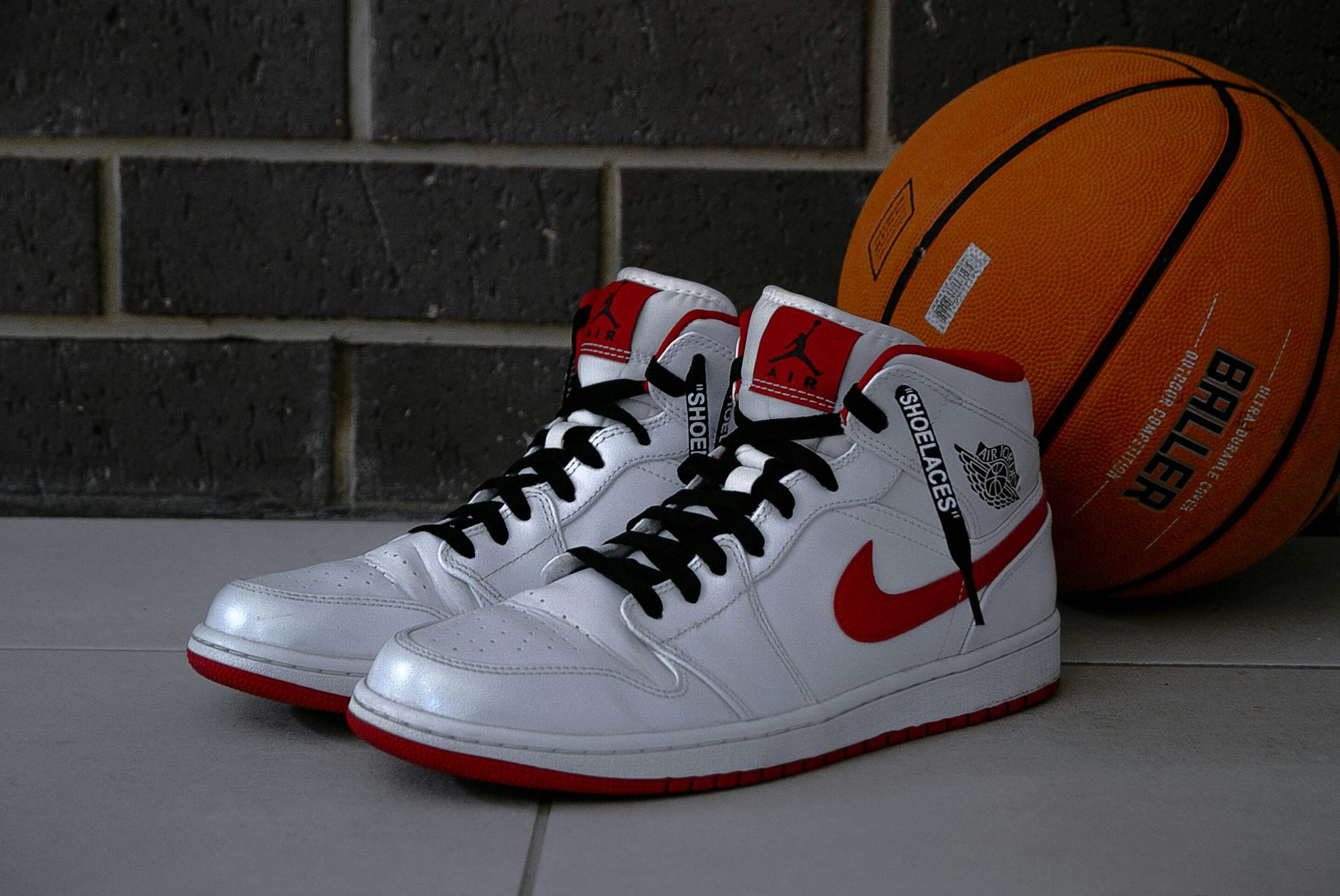
Michael Jordan Estimated Net Worth 2026: Basketball Earnings, Nike Jordan Brand Royalties, and Hornets Ownership
Michael Jordan’s estimated net worth stands at approximately $4.3 billion as of early 2026, according to Forbes rankings. That figure is up from $3.8 billion in 2025, driven primarily by Nike Jordan Brand royalties and investment appreciation—not anything Jordan did on a basketball court. He last played in 2003.
Jordan is the wealthiest former professional athlete in history and the first NBA player to reach billionaire status. LeBron James has since joined him in the billionaire ranks, with an estimated net worth of $1.4 billion—but Jordan’s lead still exceeds $2.9 billion.
Important caveat: Jordan’s personal finances are not publicly disclosed. All figures cited here are estimates from Forbes, Sportico, and other financial tracking sources. Treat them as informed approximations, not confirmed account balances.
Michael Jordan’s Net Worth: $4.3 Billion in 2026
Forbes placed Jordan at 984th on its 2026 global billionaires list, with an estimated net worth of $4.3 billion. The $500 million increase from the prior year tracks with continued Nike royalty income and appreciation across his investment portfolio.
To understand how Jordan got here, the wealth needs to be disaggregated. His NBA salary—across 15 seasons—totaled roughly $90–94 million. That is less than 2.5% of his current estimated fortune. The other 97.5% came from business decisions made off the court, most of them anchored to a single 1984 contract negotiation with Nike.
| Year | Estimated Net Worth | Primary Driver |
|---|---|---|
| 2014 | $1.0 billion | Crossed billionaire threshold; Nike royalties + Hornets valuation |
| 2020 | $2.1 billion | NBA franchise appreciation, Nike royalties |
| 2023 | ~$3.0 billion | Hornets majority sale at ~$3B valuation |
| 2025 | $3.8 billion | Nike royalties, investment gains |
| 2026 | $4.3 billion (est.) | Nike royalties, continued portfolio appreciation |
Nike Jordan Brand Royalties: The $275M–$350M Annual Engine
The Nike partnership is the single largest driver of Jordan’s wealth. Jordan Brand generated approximately $7 billion in revenue for Nike in fiscal year 2024, up from $6.6 billion in fiscal year 2023—a roughly 6% increase year-over-year. Jordan reportedly receives a royalty rate estimated at around 5% on all Jordan Brand sales—a figure that has never been officially confirmed but is widely cited by Forbes, Sportico, and financial analysts.
At $7 billion in brand revenue, a 5% royalty translates to approximately $350 million annually. Jordan earned an estimated $300 million from Nike alone in 2024, and Sportico estimates his Jordan Brand earnings for 2025 at $275 million. The range across credible sources for annual Nike royalties typically runs from approximately $275 million to $350 million per year, depending on the royalty rate assumed and the revenue base used.
What makes this income structurally exceptional:
- Fully passive: Jordan receives royalties without making appearances, approving campaigns, or managing operations. Jordan Brand is run as an independent institutional sub-brand inside Nike.
- Revenue-linked: Royalties scale with brand revenue. As Jordan Brand holds or grows its position as Nike’s third-largest brand globally, Jordan’s income moves with it.
- Non-cancelable in practice: Jordan Brand accounts for a significant share of Nike’s total revenue. The commercial incentive to maintain the arrangement is mutual.
Lifetime Nike Earnings
Jordan’s total lifetime earnings from Nike are estimated to exceed $2.35 billion since the 1984 deal was signed. His initial deal was worth approximately $500,000 per year—not the flat $2.5 million sometimes cited, which was an early offer Jordan’s team declined in favor of royalty participation. Jordan’s mother, Deloris Jordan, played a central role in pushing that negotiation toward royalties rather than a fixed fee. That structural shift is the financial event that separates Jordan from every other athlete endorser of his era.
Jordan Brand: Revenue Growth Since Launch
Jordan Brand launched as an independent Nike sub-brand in 1997. Nike first broke out its revenue separately in 2014, when it reported $1.9 billion. Sales have grown approximately 268% since then:
- 2019: $3.14 billion
- 2020: $3.69 billion
- 2021: $4.7 billion
- 2022: $5.2 billion
- FY2023: $6.6 billion
- FY2024: ~$7 billion
Jordan Brand’s 1997 launch also marked the first time in Nike’s history that an athlete received their own named division inside the corporation—a structural precedent that no other athlete has since replicated at the same scale.
NBA Career Earnings: $90 Million Over 15 Seasons
Jordan’s NBA salary totaled approximately $90–94 million across 15 professional seasons—14 with the Chicago Bulls and 2 with the Washington Wizards. In isolation, that is a significant number. In context of his $4.3 billion estimated net worth, it represents roughly 2% of his total wealth.
NBA Salary Highlights
- 1984–85 (rookie season, Bulls): ~$550,000–$630,000
- 1992–93 season (Bulls): $4 million
- 1996–97 season (Bulls): $30.1 million
- 1997–98 season (Bulls, final year with Chicago): $33.1 million—peak NBA salary
- Final two seasons (Wizards, 2001–03): ~$2 million total
Total 1997–98 earnings, including all endorsements, reached approximately $80 million. Sportico’s estimate of his 2025 Nike royalties alone—$275 million—exceeds that entire single-season figure by more than three times. His playing salary was never the economic core of his wealth. It was, functionally, seed capital.
Charlotte Hornets Sale: A $3 Billion Exit in 2023
In June 2023, Jordan sold his majority stake in the Charlotte Hornets to a consortium led by Gabe Plotkin (then a Hornets minority owner) and Rick Schnall (a minority owner of the Atlanta Hawks). The transaction valued the Hornets at approximately $3 billion total.
The Investment Math
| Metric | Value |
|---|---|
| Original majority stake acquisition (2010) | ~$275 million |
| Team valuation at sale (2023) | ~$3 billion |
| Approximate return multiple | ~10x |
| Estimated capital gain (pre-tax, majority stake) | ~$2.7 billion |
| Current ownership | Minority stake retained |
Jordan retained a minority ownership stake post-sale, maintaining his formal connection to the NBA while crystallizing the majority of his gains. The appreciation was largely independent of his playing brand or any active management decisions—it tracked the broader trend of NBA franchise valuations rising dramatically over the same period.
For context: the average NBA franchise was worth approximately $500 million in 2010. By 2023, the average had climbed above $3 billion. Jordan’s timing was not exceptional; his entry price was. The $275 million acquisition came at a below-market multiple relative to where franchises would trade a decade later.
Other Business Ventures and Investments
Beyond Nike and the Hornets, Jordan has deployed capital across several sectors—though none approach the scale of his Nike royalty income.
DraftKings
In September 2020, Jordan became an investor and special advisor to the board of DraftKings, the publicly traded sports betting platform. The move gave him exposure to the legalized sports gambling market, which expanded significantly following the 2018 Supreme Court ruling that opened the door to state-by-state legalization.
23XI Racing (NASCAR)
Also in 2020, Jordan co-founded 23XI Racing (pronounced “twenty-three eleven”) with NASCAR driver Denny Hamlin. The team fields cars in the NASCAR Cup Series and became the first NASCAR team majority-owned by a Black American in decades. The venture diversifies his sports ownership profile beyond basketball.
Cincoro Tequila
Jordan is a co-founder of Cincoro Tequila, a luxury spirits brand targeting the premium consumer. The brand has secured sponsorship deals with major professional sports teams, including the Los Angeles Lakers.
Active Endorsements
Jordan maintains long-standing endorsement relationships with:
- Gatorade – one of the most durable athlete-brand partnerships in marketing history
- Hanes – ongoing since 1989
- Upper Deck – trading cards and memorabilia
- 2K Sports – video game appearances
- Five Star – school supplies
Jump Management
Jordan’s family office, Jump Management, oversees his investment portfolio and capital deployment decisions. The structure is consistent with how most ultra-high-net-worth individuals consolidate asset management—centralizing oversight and reducing tax drag across holdings.
2024–2025 Annual Earnings: $300M Without Playing
According to Sportico, Jordan earned an estimated $300 million in 2024—the vast majority from Nike royalties alone. That figure surpassed what Cristiano Ronaldo—the world’s highest-paid active athlete that year—earned ($260 million), without Jordan making a single appearance in uniform.
Sportico estimates his 2025 Nike royalties alone at approximately $275 million—a figure that exceeds his entire final NBA season compensation, including all endorsements, by more than three times.
Income Composition Estimate (2024–2025)
- Nike Jordan Brand royalties: ~85–90% of total income
- Other endorsements (Gatorade, Hanes, etc.): ~5–8%
- Investments and other business income: ~5–10%
Jordan’s career earnings total has crossed an estimated $3.28 billion pre-tax, or approximately $4.5 billion when adjusted for inflation—the highest cumulative earnings figure in the history of professional athletics, per Sportico.
Timeline: Key Wealth-Building Milestones
- 1984: Drafted by the Chicago Bulls; signed initial Nike deal worth approximately $500,000 per year with royalty participation. Nike had offered a flat $2.5 million; Deloris Jordan pushed for royalties instead.
- 1985: Air Jordan 1 launched and generated over $100 million in sales in its first year—immediately validating the royalty structure.
- 1997: Nike launches Jordan Brand as an independent sub-brand. Jordan becomes the first athlete in history with their own named division inside a major corporation.
- 2010: Jordan acquires majority ownership of the Charlotte Bobcats (later rebranded the Hornets) for approximately $275 million.
- 2014: Nike breaks out Jordan Brand revenue for the first time ($1.9 billion). Jordan crosses the billionaire threshold, primarily on the back of rising Hornets valuation and cumulative Nike royalties.
- 2020: Invests in DraftKings as special advisor; co-founds 23XI Racing with Denny Hamlin. Portfolio diversification accelerates.
- 2023: Sells Hornets majority stake for ~$3 billion; retains minority ownership. Crystallizes the largest single capital gain of his financial career.
- 2026: Estimated net worth reaches $4.3 billion per Forbes, sustained by Nike royalty income and continued investment appreciation.
Why Jordan Built Billionaire Wealth When Other Athletes Didn’t
Jordan’s wealth is not primarily a function of how much money he earned. It is a function of how he structured the terms under which he participated in economic value he helped create.
1. He Negotiated Royalties, Not a Flat Fee
Nike’s original offer was a $2.5 million flat payment. Jordan’s camp pushed for royalty participation instead. At the time, that meant accepting more risk—royalties only pay out if product sells. What it created was an ownership-style economic relationship: as Jordan Brand grew, Jordan’s income grew with it. His total lifetime earnings from Nike are now estimated to exceed $2.35 billion. The difference between accepting the flat fee and taking royalties is more than $2.3 billion and counting. The multiple exceeds 900x.
2. He Concentrated, Not Diversified, His Endorsements
Most athletes of Jordan’s era spread endorsements across many brands. Jordan reduced his commitments significantly post-retirement, letting Nike become the dominant income stream. Concentration enabled compounding. Diversification would have distributed the economic benefit across relationships that returned a fraction of what the Nike royalty produced.
3. Post-Career Capital Was Deployed Into Appreciating Assets
The Hornets purchase in 2010 came when NBA franchise values were substantially below where they would trade a decade later. Jordan’s $275 million entry became a $3 billion exit—a roughly 10x return in 13 years. DraftKings, 23XI Racing, and Cincoro represent continued capital deployment into sectors with meaningful growth tailwinds.
4. NBA Salary Was Seed Capital, Not Destination
Jordan earned roughly $90 million playing basketball. His post-career Nike royalties alone have exceeded that amount more than 14 times over. The Hornets sale returned approximately 30 times his total playing salary. Career earnings were the starting point. The fortune was built entirely on what came after.
What Investors and Readers Can Take Away
This is not financial advice. But Jordan’s financial architecture illustrates principles that apply broadly:
- Percentage participation in a growing business outperforms fixed compensation—when the underlying business grows. Royalties, equity, and revenue-sharing agreements scale; flat fees don’t. The risk is that if the business underperforms, fixed fees win. Jordan’s bet on Nike paid off because Jordan Brand became a $7 billion revenue machine.
- Passive, institutional income is the most durable kind. Jordan’s royalties require no active labor and will likely continue regardless of any individual marketing cycle, because the brand is now self-sustaining at institutional scale.
- Exit timing matters. Selling the Hornets majority stake in 2023—when franchise valuations were near peak multiples—crystallized gains that could theoretically compress in a downturn. Retaining a minority stake preserves upside without operational burden.
- NBA salary alone would not have made Jordan a billionaire. Even adjusting for inflation, $90–94 million over 15 seasons is not billionaire-scale wealth. The business decisions—not the playing career—produced the fortune.
Bottom Line: Michael Jordan’s Net Worth in 2026
Michael Jordan’s estimated net worth of $4.3 billion as of early 2026 rests on three pillars: more than $2.35 billion in cumulative lifetime Nike royalties since 1984, a ~$2.7 billion gain from the Hornets majority stake sale in 2023, and ongoing annual royalty income estimated between $275 million and $350 million per year depending on the royalty rate applied.
His NBA salary—the thing he is most famous for—accounts for less than 3% of his current estimated wealth. The fortune is the product of a royalty clause, compounded over four decades.
All figures are estimates. Jordan’s personal finances are not publicly disclosed, and sources including Forbes and Sportico work from reported revenue figures and assumed royalty rates rather than verified account data.
Sources
- Forbes Billionaires Rankings, 2026
- Sportico: “How Michael Jordan Made $300 Million in 2024”
- Investopedia: Michael Jordan Net Worth Profile
- NBA: Official release on Hornets majority stake sale, June 2023
- European Business Magazine: Michael Jordan $3.8 Billion Empire analysis
- Yahoo Sports / Athlon Sports: Jordan net worth update, March 2026