
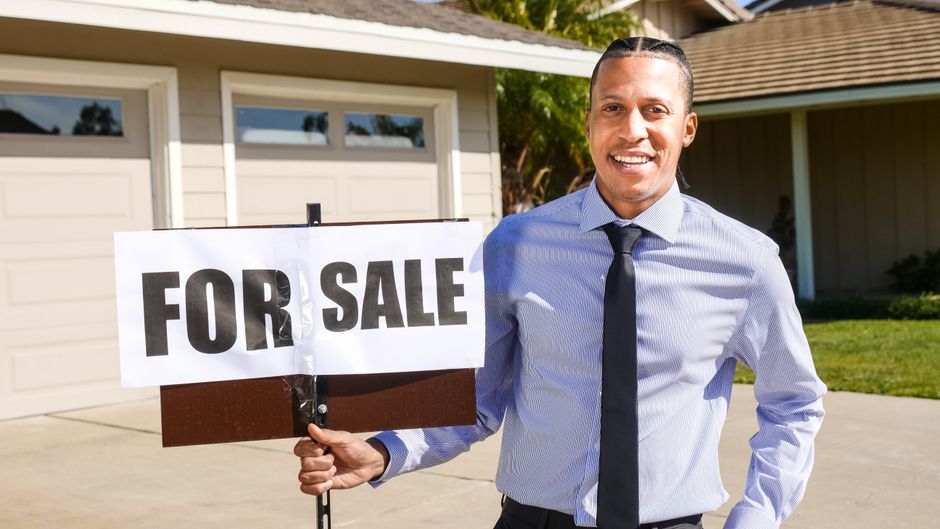
Real Estate Wholesaling for Beginners in 2026: How to Profit From Property Deals Without Financing or Renovation
Real estate wholesaling is one of the few ways beginners can try to make money in real estate without taking out a mortgage, funding a rehab, or managing contractors. The basic idea is simple: you find a discounted property, put it under contract, and then assign that contract to a cash buyer for a fee.
That simplicity is also where many beginners get confused. Wholesaling is not passive income, and it is not easy money. In 2026, buyers are more selective, sellers have better access to pricing data, and state-level rules around disclosure and equitable interest can matter a lot. The opportunity is still real, but it favors people who can source solid deals, analyze them correctly, and follow up consistently.
- Wholesalers usually do not buy, finance, or renovate the house.
- Assignment fees often range from about $5,000 to $20,000 per deal, with many beginners starting lower.
- Success depends more on lead generation, underwriting, and buyer relationships than on flashy marketing.
- In tighter 2026 markets, many buyers want more conservative pricing and cleaner comparable sales.
What Real Estate Wholesaling Is and How It Pays
In a standard wholesale deal, the wholesaler signs a purchase contract with a motivated seller at a price low enough to attract an investor. Instead of closing on the property personally, the wholesaler assigns the contract to a cash buyer, usually a landlord, rehabber, or another investor, and earns an assignment fee.
That matters because the wholesaler typically does not use personal financing, does not take on renovation risk, and often does not take title at all. The value the wholesaler provides is finding the opportunity, negotiating a workable price, and delivering a deal to a buyer who can close.
Assignment fees vary by market and deal quality, but a common range is roughly $5,000 to $20,000 per transaction. Beginners often start lower while they learn how to price deals and build buyer trust. A newer wholesaler might accept a fee in the low thousands to get the first deal done and prove they can bring real opportunities.
Simple Example
Assume a seller agrees to a contract price of $180,000 on an off-market property. After reviewing the numbers, a cash buyer believes the property can support a value of about $220,000 after repair and still leave room for rehab costs, closing costs, and profit. If you assign the contract for a $10,000 fee, the end buyer effectively steps in at $190,000, while the seller still receives the original $180,000 contract price.
If the buyer closes, your fee is paid at closing. If the buyer cannot perform, your fee usually disappears, and your earnest money may be at risk depending on the contract terms and deadlines.
Why Real Estate Wholesaling for Beginners in 2026 Appeals to Some New Investors
Wholesaling can be a practical entry point for beginners who want exposure to real estate without needing a large down payment or construction experience. It tends to fit people who are comfortable talking to strangers, hearing “no” often, and staying organized during a messy sales process.
It is usually best for people who have:
- Strong sales or negotiation skills.
- Time for lead generation and follow-up.
- A willingness to learn local pricing quickly.
- Enough cash for basic marketing, earnest money, and professional help when needed.
It is often a poor fit for readers who want passive income, a hands-off investment, or a strategy that works without rejection. Wholesaling is active deal sourcing. You may speak with dozens of sellers, analyze many leads, and still get only a small number of contracts that actually make sense.
In 2026, that gap between effort and results is even more obvious. Sellers are more informed, many buyers want tighter margins, and bad deals move slowly or not at all. The people who do well are usually the ones who network consistently, respond quickly, and follow up after everyone else stops calling.
How a Wholesale Deal Works Step by Step
- Find a motivated seller. Common wholesale targets include distressed homes, inherited properties, vacant houses, absentee-owned rentals, and off-market properties where the seller wants speed or convenience more than top dollar.
- Run comps and estimate repairs. You need a realistic after-repair value, a rough repair budget, and a price that still works for a cash buyer.
- Calculate your maximum allowable offer. This helps you avoid locking up a property at a number no buyer will accept.
- Get the property under contract. Use clear contract language and assignment language where allowed by your state and transaction structure.
- Market the contract to cash buyers. Send the deal to buyers who match the property type, price point, and neighborhood.
- Assign the contract before closing. The buyer takes your place in the purchase contract, pays the agreed amount, and closes.
- Collect the assignment fee at closing. If the buyer completes the purchase, the title company or closing attorney typically handles the fee disbursement.
The main point is that the deal must work for the end buyer, not just for you. If your numbers leave no room for repair overruns, financing costs, resale friction, or rental fallback, experienced buyers will pass.
How to Find Motivated Sellers and Cash Buyers
The best wholesale leads usually come from situations where the seller values certainty, speed, or simplicity. That does not always mean a house is falling apart. It may mean the owner inherited a property, lives out of state, has a problem tenant, fell behind on taxes, or simply wants an off-market sale.
Seller Lead Sources Beginners Commonly Use
- Direct mail to targeted owner lists.
- Driving for dollars to identify neglected or vacant homes.
- Probate leads where heirs may want a simple sale.
- Absentee-owner lists for landlords ready to exit.
- Tax-delinquent properties where financial stress may create motivation.
Virtual wholesaling can widen your search beyond your local zip code. Instead of relying only on your own city, you can target markets where inventory is more affordable, buyer demand is active, and spreads are still workable. The tradeoff is that remote deals require better boots-on-the-ground support, clearer photos, and stronger local title and contractor contacts.
Build the Buyer List Before You Lock Up Deals
This is one of the most important habits for beginners. Do not assume you will “find a buyer later.” In 2026, that is how new wholesalers end up with dead contracts and lost earnest money.
Your buyer list should track:
- Preferred neighborhoods.
- Target property type, such as single-family, small multifamily, or rentals.
- Typical purchase range.
- Exit strategy, such as fix-and-flip or buy-and-hold.
- Proof they can actually close.
Actionable example: if one buyer only wants brick ranch homes under $180,000 in a specific school district, sending them a $320,000 cosmetic flip across town wastes time. The more precise your list is, the faster you can move an actual deal.
Speed and follow-up usually matter more than just blasting a huge number of cold calls. A smaller, well-targeted lead list with disciplined follow-up often outperforms broad outreach with weak notes and no system.
How to Analyze a Deal: ARV, MAO, and Profit
Most wholesale deals live or die on underwriting. If you get the value wrong, everything that follows gets worse. Buyers in 2026 are not just looking for a “cheap” property. They want a clean story: strong comparable sales, a believable repair number, and a clear exit.
What ARV Means
ARV, or after-repair value, is the estimated market value of a property after needed renovations are completed. It is usually based on recent comparable sales of similar homes in similar condition, size, location, and layout. Closed sales matter more than hopeful asking prices.
The 70% Rule and Why Some Buyers Use 65%
A common shortcut is the 70% rule. It says an investor should usually pay no more than 70% of ARV, minus repair costs, minus any desired profit or wholesale fee. In some tighter 2026 markets, buyers use 65% instead because margins are thinner and they want more room for risk.
A basic maximum allowable offer formula looks like this:
MAO = ARV x 0.70 – repair estimate – desired wholesale fee
Worked Example
Say your comps support an ARV of $300,000. Estimated repairs are $45,000. You want a $10,000 wholesale fee.
Using the 70% rule:
$300,000 x 0.70 = $210,000
$210,000 – $45,000 – $10,000 = $155,000 MAO
That means the deal probably needs to be at or below $155,000 for your fee to fit while still leaving room for the buyer.
Now look at how small errors hurt the deal. If repairs are really $60,000 instead of $45,000, the MAO drops to $140,000. If ARV is actually $285,000 instead of $300,000, the number drops again. A modest pricing mistake can erase your fee or make the deal unsellable.
That is why experienced buyers ask for clear comps, repair photos, and a realistic exit strategy. If your deal package is sloppy, they may assume the price is sloppy too.
Legal, Ethical, and Market Risks to Watch
Wholesaling is not just about finding discounts. It also has real legal and reputational risk. Rules vary by state, especially around disclosure, equitable interest, marketing a contract versus marketing a property, and whether certain activities may require licensing or specific forms.
Some of the main risks include:
- Compliance risk: State and local rules can differ, so a contract or marketing approach that works in one area may be risky in another.
- No realistic buyer exit: Putting a property under contract without a real plan to assign it can waste everyone’s time and damage your reputation.
- Earnest money loss: If you miss inspection periods, assignment deadlines, or financing-related terms, you may forfeit your deposit.
- Bad numbers: Overstating ARV or understating repairs may help you get attention once, but it can destroy buyer trust quickly.
- Market compression: If local margins tighten, buyers may lower their offers or require deeper discounts than older rules of thumb suggest.
Ethics matter here more than many beginners realize. A short-term fee business can look easy from the outside, but repeat buyers and referrals usually come from accurate information, honest communication, and clean closings. If you repeatedly send inflated deals, buyers will stop opening your messages.
Before marketing your first deal, review local rules and consider using a real estate attorney or licensed professional who understands wholesaling in your state. That is not personalized legal advice. It is basic risk control.
What to Do Next: Build Your First Wholesale Pipeline
The biggest beginner mistake is trying every market and every lead source at once. A better approach is to pick one market, one acquisition method, and one simple tracking system.
Start Small and Track Everything
Create a basic spreadsheet or CRM with columns for:
- Seller name and property address.
- Lead source.
- Asking price.
- Estimated ARV.
- Estimated repairs.
- Maximum allowable offer.
- Buyer matches.
- Next follow-up date.
- Contract status and deadlines.
For your first 30 days, keep the goals practical:
- Build a starter buyer list with verified local or virtual cash buyers.
- Pull a targeted seller list from one source, not five.
- Analyze deals daily so you can recognize numbers quickly.
- Aim for 1 to 3 serious contracts, not 20 weak ones.
Practice Before You Offer
A strong next step is to underwrite 10 properties before you make live offers. Pull comps, estimate repairs, calculate MAO, and compare your numbers with asking prices. That exercise will show you very quickly whether you understand your target market or are still guessing.
If you can consistently explain why a deal works for a buyer, you are much closer to doing a real wholesale transaction. If you cannot, more lead volume will not fix the problem.
Bottom Line
Real estate wholesaling for beginners in 2026 is still a viable way to profit from property deals without personal financing or renovation, but it is not a shortcut around skill. The business rewards people who can source motivated sellers, price conservatively, build a buyer list early, and operate within local rules.
If you want a practical starting point, choose one market, learn how to comp properties, build a small buyer list, and practice underwriting 10 deals before making offers. That will do more for your first wholesale fee than chasing every lead source at once.