
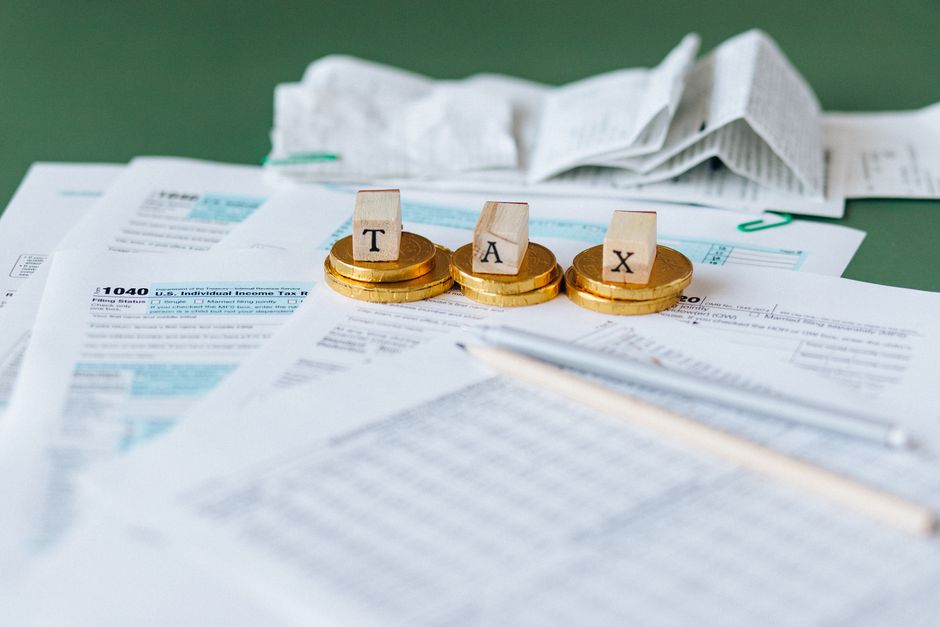
How to Invest a Tax Refund in 2026: A Priority-Based Plan for Debt, Emergency Savings, and Retirement
A tax refund can accelerate an important financial goal, but investing it immediately is not always the best move. If you have overdue bills, expensive credit-card debt, or no emergency savings, strengthening those areas may deliver more value than buying investments.
Early filing-season data indicated that the average federal refund exceeded $3,600 in March 2026. For example, IRS figures cited for March 6 placed the average at approximately $3,676. That number is preliminary, changes as additional returns are processed, and does not predict the amount any individual will receive. Verify the latest figure through the IRS Filing Season Statistics.
The practical order is straightforward: protect essential expenses, eliminate costly debt, build accessible savings, capture available retirement benefits, and then invest for long-term goals.
Important: This article provides general educational information, not personalized tax, legal, or investment advice. Account eligibility, tax treatment, and appropriate investments depend on your circumstances.
Why Your 2026 Tax Refund Needs a Priority Plan
A refund is a one-time cash inflow, not an increase in recurring income. Unless your income, credits, or withholding change, you should not assume that the same amount will arrive next year. Avoid using a refund to take on a monthly payment you cannot support with your normal paycheck.
A federal refund also is not a government bonus. In many cases, it represents income taxes withheld during the year that exceeded the final tax liability shown on the return. Refundable tax credits can also account for part or all of a refund.
Before moving the money, list your financial priorities in this order:
- Bring essential obligations current.
- Reserve cash for necessary expenses due soon.
- Reduce high-interest debt.
- Establish an emergency fund.
- Capture an employer retirement match.
- Invest additional money for long-term goals.
This sequence reduces the risk that you will invest the refund today but later need to sell investments—or borrow at a high interest rate—to cover an essential bill.
Step 1: Cover Immediate Needs Before You Invest
Start by identifying obligations that affect your housing, health, employment, or ability to earn income. A past-due utility bill generally deserves attention before a retirement contribution because disconnection fees and reconnection costs can compound the problem.
Check for urgent and overdue expenses
- Rent, mortgage payments, property taxes, or homeowners association dues
- Electricity, water, heating, phone, and internet needed for work
- Health, auto, homeowners, or renters insurance premiums
- Necessary medical care and prescription costs
- Essential vehicle repairs, registration, or public transportation costs
- Childcare expenses required for work
Next, look 30 to 90 days ahead. Reserve money for predictable costs such as an insurance renewal, car repair, medical appointment, or summer childcare. Money needed on that timeline generally belongs in checking or savings rather than stocks, cryptocurrency, or other volatile assets.
Separate essential needs from discretionary purchases. Replacing unsafe tires may protect your income and safety; replacing a functioning television does not serve the same purpose. This distinction shows how much of the refund is genuinely available for debt reduction or investing.
Step 2: Use Your Tax Refund to Pay Down High-Interest Debt
Paying down high-interest debt can produce a predictable financial benefit. If a credit card charges a 24% annual percentage rate, eliminating a balance avoids future interest at roughly that rate, subject to the card’s balance calculations and fees. An investment might earn more, but its return is uncertain and its value can fall.
Prioritize payday loans, title loans, credit cards, and other high-rate or variable-rate balances. Keep every account’s minimum payment current, then direct the extra refund money toward one priority balance.
Debt avalanche versus debt snowball
The avalanche method targets the balance with the highest interest rate first. It normally minimizes total interest when payments and other conditions remain equal.
The snowball method targets the smallest balance first. It may cost more in interest, but quickly closing an account can create visible progress and help some borrowers remain consistent.
Consider a person with these balances:
- $900 payday or installment loan at 35%
- $2,400 credit-card balance at 25%
- $8,000 federal student loan at 6%
Using a $3,600 refund to eliminate the 35% loan and reduce the credit-card balance would generally take priority over paying extra on the 6% student loan. Before sending a large payment, confirm the current payoff amount, whether a prepayment penalty applies, and how the lender will apply the payment.
Do not empty your bank account solely to pay debt. Without a small cash buffer, the next car repair or medical bill may go straight back onto a credit card.
Step 3: Build or Strengthen an Emergency Fund
If you have no reserve, a practical first milestone is $1,000 to $2,000. That may not cover a prolonged loss of income, but it can absorb many common expenses without creating new debt.
After reaching the first milestone, work toward one month of essential expenses. A broader goal is usually three to six months, although the right amount depends on household risk.
For example, if essential housing, food, insurance, transportation, utilities, and minimum debt payments total $3,200 per month, the milestones would be:
- Starter reserve: $1,000 to $2,000
- One-month reserve: $3,200
- Three-month reserve: $9,600
- Six-month reserve: $19,200
Consider a larger reserve if your income varies, you support dependents, your household relies on one income, you have significant health risks, or your job would be difficult to replace. A dual-income household with stable employment may reasonably choose a different target.
Keep emergency money accessible and separate from everyday spending. An FDIC-insured bank savings account or federally insured credit-union account can provide liquidity and principal protection within applicable insurance limits. Compare rates, fees, transfer times, minimum balances, and withdrawal rules.
A stock fund is not an emergency fund. Stocks may be appropriate for long-term goals, but a market decline can occur at the same time that layoffs increase.
Step 4: Invest the Refund Through Retirement Accounts
Once essential bills, costly debt, and an appropriate cash reserve are under control, retirement accounts may offer tax advantages that an ordinary brokerage account does not.
Capture your employer’s 401(k) match
If your employer offers matching contributions, review the plan formula and contribute enough to receive the full match when your budget permits. Also check the vesting schedule, eligible compensation rules, and whether the plan has a year-end “true-up.” A match can be reduced if contributions stop too early or are unevenly timed under some plan designs.
You generally cannot deposit a tax refund directly into a 401(k). Contributions normally must come from payroll. One strategy is to increase your payroll contribution and keep the refund in savings to replace the temporary reduction in take-home pay.
For example, someone receiving a $3,600 refund could retain it in savings and increase 401(k) deductions by $400 per month for nine months. The refund supports the household budget while more salary enters the retirement plan. Contribution changes must comply with the employer’s procedures and annual limits.
Compare Roth and traditional IRAs
A traditional IRA may provide a current-year deduction, but deductibility can be limited by income and workplace-plan coverage. Earnings grow tax-deferred, and taxable withdrawals are generally included in income.
A Roth IRA does not provide an upfront deduction. Qualified withdrawals can be federally tax-free, and the original owner is not subject to lifetime required minimum distributions. Income limits can restrict direct Roth IRA contributions.
IRA eligibility also requires sufficient taxable compensation, subject to special rules such as those for married couples filing jointly. Confirm the applicable modified adjusted gross income limits before contributing.
A refund received during 2026 usually relates to a 2025 tax return. An IRA contribution made before the 2025 contribution deadline may be designated for 2025 if you are eligible, or it may be designated for 2026. Tell the financial institution which tax year the contribution is for and retain the confirmation.
Consider an HSA if you are eligible
A health savings account can offer three federal tax benefits: eligible contributions may be deductible or excluded from income, earnings can grow tax-deferred, and withdrawals for qualified medical expenses can be tax-free. State tax treatment varies.
You must satisfy HSA eligibility requirements, including coverage under a qualifying high-deductible health plan and restrictions on disqualifying coverage. Medicare enrollment also affects contribution eligibility.
Retirement, IRA, and HSA limits can change annually. Before contributing, verify the 2026 limits, income phaseouts, deadlines, catch-up rules, and plan provisions through current IRS retirement-plan guidance, IRA guidance, and your employer’s plan documents.
How to Allocate Different Tax Refund Sizes in 2026
The following allocations are examples, not universal recommendations. Interest rates, job stability, household expenses, and existing savings should determine the actual percentages.
$1,000 refund: debt-heavy plan
- $300, or 30%: Starter emergency savings
- $700, or 70%: Highest-interest debt
This approach may fit someone with high-interest balances and no cash reserve. If rent or utilities are overdue, those needs move ahead of both categories. If a person already has adequate savings, the full $1,000 could instead reduce expensive debt.
$3,600 refund: balanced plan
- $1,440, or 40%: Emergency fund
- $1,440, or 40%: High-interest debt
- $720, or 20%: IRA, HSA, or support for higher 401(k) payroll contributions
This allocation balances liquidity, interest savings, and long-term investing. If the debt carries an extremely high rate, shifting the retirement portion toward debt may be more appropriate—unless doing so would cause the worker to miss an available employer match.
$6,000 refund: investing-first plan
- $4,500, or 75%: Retirement investment
- $900, or 15%: Emergency-fund maintenance or a planned-expense reserve
- $600, or 10%: Low-rate debt reduction or another defined financial goal
This approach is appropriate only when essential bills are current, no high-interest debt remains, and the household already has an adequate emergency reserve. Investments should reflect the investor’s time horizon and risk tolerance. A diversified, low-cost fund may be easier for a beginner to manage than a collection of individual stocks, but no investment is guaranteed.
What to Do After the Refund Is Gone
A well-used refund creates momentum, but recurring habits determine the longer-term result.
Review your paycheck withholding
A large refund may indicate that too much tax was withheld, although refundable credits, variable income, and life changes can also produce one. Use the IRS Tax Withholding Estimator and submit a revised Form W-4 if appropriate. Do not reduce withholding merely to eliminate a refund without estimating the potential tax due.
Automate the next step
Turn a one-time allocation into a monthly system. Schedule a transfer to savings after each payday, maintain an increased retirement contribution, or automate extra payments toward the priority debt. Even a smaller recurring amount can preserve the progress created by the refund.
Measure the results
Record where every refund dollar went, then review the plan after 30, 90, and 180 days. Track concrete measures such as debt principal eliminated, interest avoided, emergency savings accumulated, and retirement contributions completed.
Revisit the allocation after a job loss, marriage, divorce, home purchase, new debt, major medical expense, or significant income change. Those events can alter both liquidity needs and tax obligations.
What to Do Next
- Protect housing, utilities, insurance, healthcare, and essential transportation.
- Set aside money for necessary expenses due within 30 to 90 days.
- Keep all minimum payments current and reduce the most expensive debt.
- Build a starter cash reserve, then work toward several months of essential expenses.
- Capture available employer retirement benefits and verify current account rules.
- Invest consistently only after short-term risks are reasonably covered.
The best way to invest a tax refund in 2026 may involve investments, but it may also begin with debt repayment and cash savings. Following the priorities in order can turn a temporary refund into lower monthly costs, greater financial resilience, and a stronger base for long-term wealth building.